

Ramadan with Refugees: How an Iftar Campaign Brings Hope


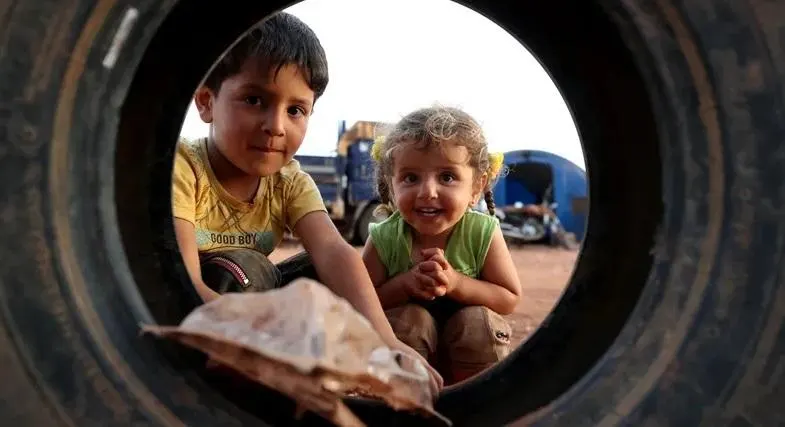
For refugees living in camps, Ramadan often means fasting under a tent, breaking the fast with little more than a piece of bread, and sometimes going without suhoor at all. An iftar campaign brings hope and dignity back to these families' tables, and it gives the donor a reward like that of the fasting person, without reducing theirs in the slightest. Here is a look at what refugees go through during the holy month, the virtue of feeding someone who is fasting, and the ways you can help.
Table of Contents
War has pushed millions of people out of their homes and neighborhoods, and many now live in camps that lack the basics of a dignified life. As Ramadan 1448 approaches, expected astronomically around 8 February 2027 and confirmed by moon sighting, these families once again struggle to put iftar and suhoor on the table. Generous Muslims have not forgotten them, and every donation of food is both a lifeline for them and a source of multiplied reward for the giver.
What Ramadan Looks Like in a Refugee Camp
Fasting in a camp comes with daily hardships that make the month far harder than it should be:
| Challenge | How it affects families |
|---|---|
| Shortage of clean drinking water and food | Illness spreads quickly through the camp. |
| Heat with no way to cool down | Exhaustion for people fasting and more disease. |
| Overcrowding and no electricity | Cooking and storing food become very difficult. |
| Poverty | Families cannot afford what they need for iftar and suhoor. |
| Emotional strain | Homesickness and grief for lost loved ones, on top of harsh living conditions. |
To learn more about the water crisis in particular, read our article on the importance of water for displaced persons' camps.
Why Feeding a Fasting Person Is So Rewarding
Providing iftar during Ramadan brings remarkable rewards:
- A great and multiplied reward.
- Forgiveness of sins and freedom from the Fire.
- One of the most beautiful paths to Paradise.
- Closeness to Allah and His pleasure.
- The angels pray for you throughout the nights of Ramadan.
In the Quran
- Allah says in Surah Al-Baqarah: “O you who believe, fasting has been prescribed for you as it was prescribed for those before you, that you may become righteous…”
- And in Surah Al-Insan: “And they give food, in spite of love for it, to the needy, the orphan, and the captive…”
In the Sunnah
- “Indeed, the angels pray for the fasting person when food is eaten in his presence.” The angels make dua for the household where food is shared.
- “Whoever feeds a fasting person will have forgiveness of sins and be freed from Hellfire.” Feeding others is a cause of forgiveness and salvation.
- “Whoever feeds a fasting person will have the same reward as him without diminishing the fasting person’s reward.” A clear sign of how the reward multiplies.
- The Prophet ﷺ said to the family of Sa'd ibn 'Ubadah: “May the fasting people break their fast with you, the righteous eat your food, and the angels pray for you.” It shows the righteousness and piety in feeding those who fast.
Ways to Give Iftar to Refugees This Ramadan
Choose the option that fits your budget and the kind of impact you want to make:
1. A food basket
A food basket gives a family what it needs to prepare complete meals for iftar or suhoor, and Elvefa's experienced team delivers it to families in the camps. Baskets typically include staples like flour, oil, rice, canned goods, and dates.
2. Suhoor supplies
You can direct your gift toward the pre-dawn meal, which is easy to overlook:
- Dates.
- Protein such as milk, cheese, or beans.
- Basics like sugar and tea, plus fruits and vegetables.
3. Hot cooked meals
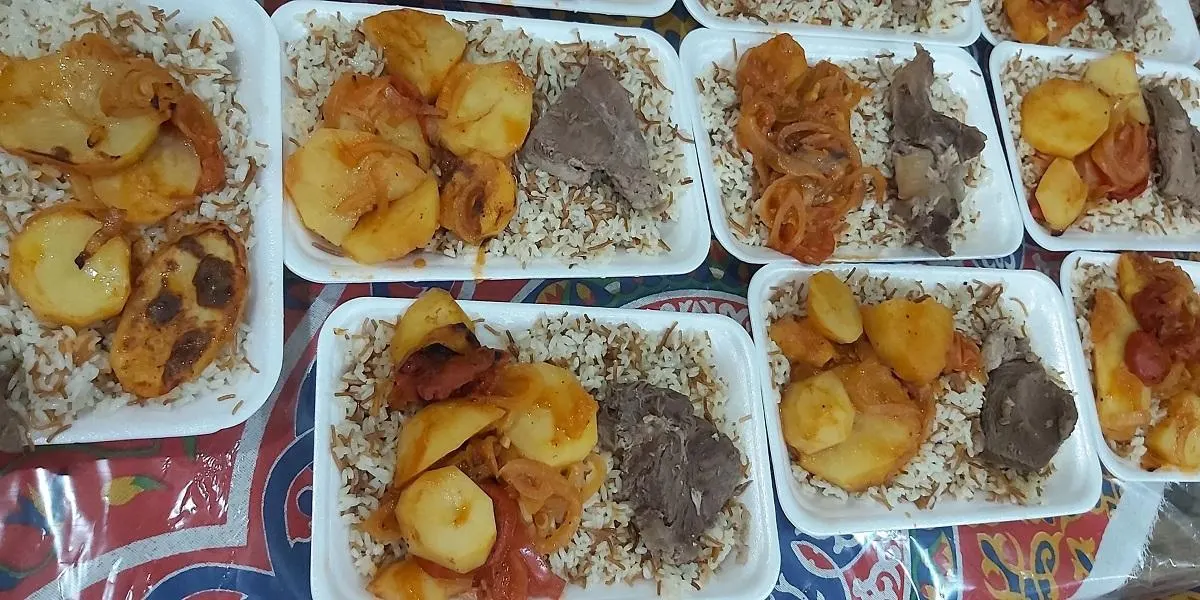
A filling, complete meal of rice, meat, and other good food, delivered to families in the camps right at iftar time. You give the money, and our team handles the cooking and distribution.
4. A community iftar in the camps
For a wider impact, help bring families together around one table. You can:
- donate the cost and let Elvefa organize the whole iftar, or
- prepare the meals yourself and coordinate with Elvefa to distribute them in the camps.
How to Donate Through Elvefa
- Pick your gift: a food basket, cooked meals, a community iftar, or a general donation.
- Give online on our Iftar campaign page.
- Other options: you can also give by bank transfer or through our donation numbers, or visit our office in person.
- Set your intention that feeding those who fast is purely for the sake of Allah.
Elvefa Association for Relief and Development has worked since 2014 with displaced families, refugees, and orphans, with an active field team experienced in getting aid to the people who need it.
Frequently Asked Questions
What is the reward for feeding a fasting person?
You receive a reward like that of the person who fasted, along with forgiveness of sins, freedom from the Fire, and the prayers of the angels.
Does providing iftar count as charity?
Yes. It is one of the greatest and most rewarded forms of sadaqah.
How can I donate food to refugees?
Through a trusted humanitarian organization like Elvefa, either online or by contacting our team directly.
When does Ramadan 1448 begin?
It is expected astronomically around 8 February 2027, confirmed by moon sighting. Giving early helps aid arrive in time for the first days of the month.
Put Iftar on a Family's Table
One meal can mean a day of fasting without hunger for a refugee family, and you share in the reward of everyone who breaks their fast with it. Join Elvefa's Iftar campaign today. Elvefa is a registered 501(c)(3) nonprofit, so your donation is tax-deductible.