

Why Water Matters in Displacement Camps and How You Can Help
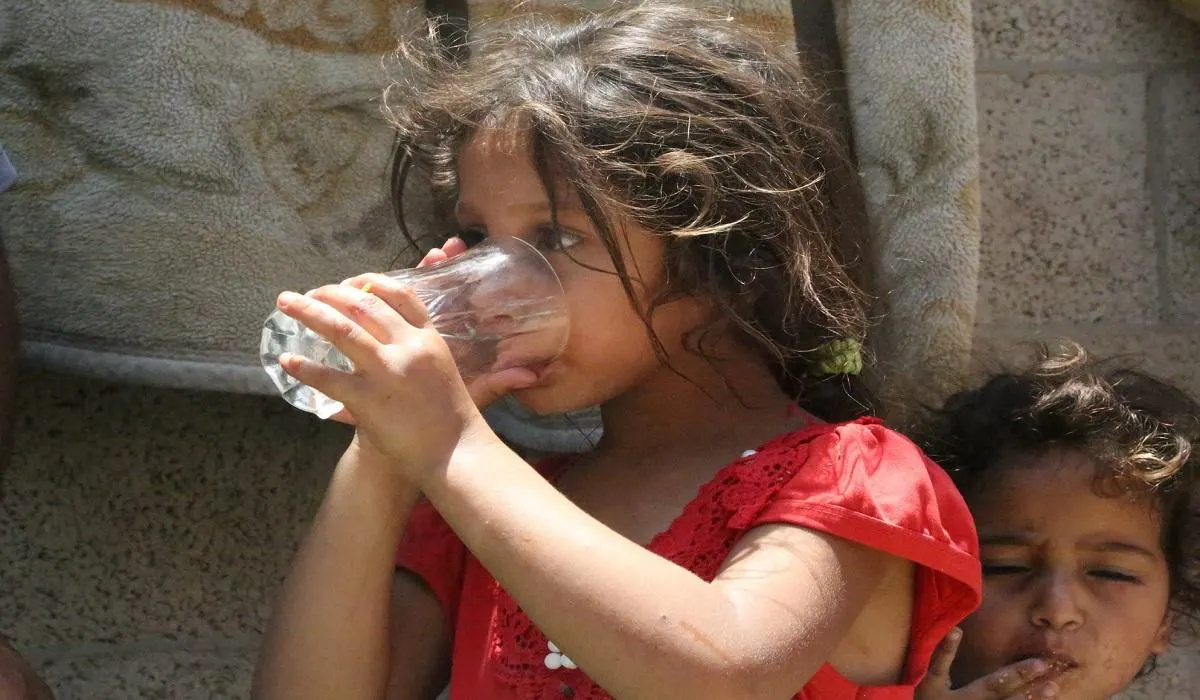

Water is the foundation of life in displaced persons' camps: families need it to drink, cook, stay clean, and avoid infectious disease. As more families are forced from their homes, securing clean water in the camps has become a daily struggle. Water sadaqah, delivered through tanks, tanker trucks, and wells, is one of the most practical ways to relieve that suffering, and it carries a tremendous reward.
Table of Contents
Why Water Comes First in a Camp
Water is one of Allah's greatest blessings, and neither life nor health is possible without it. Yet displaced families living in informal camps often have no reliable source. They spend hours searching for it or end up using water that is not safe. A camp's need for water shows up in several ways:
- Drinking: the most basic and urgent need, especially for children and the elderly.
- Cooking: there is no preparing meals, washing vegetables, or cleaning dishes without clean water.
- Hygiene: personal and public cleanliness is the first line of defense against communicable diseases caused by contamination.
- Stability: when water is available, families can focus on school, work, and rebuilding their lives instead of hauling water.
In short, water is what makes a more dignified and stable life possible for people living in camps.
Who Suffers Most When Water Runs Short?
The heaviest burden usually falls on the most vulnerable people in the camp:
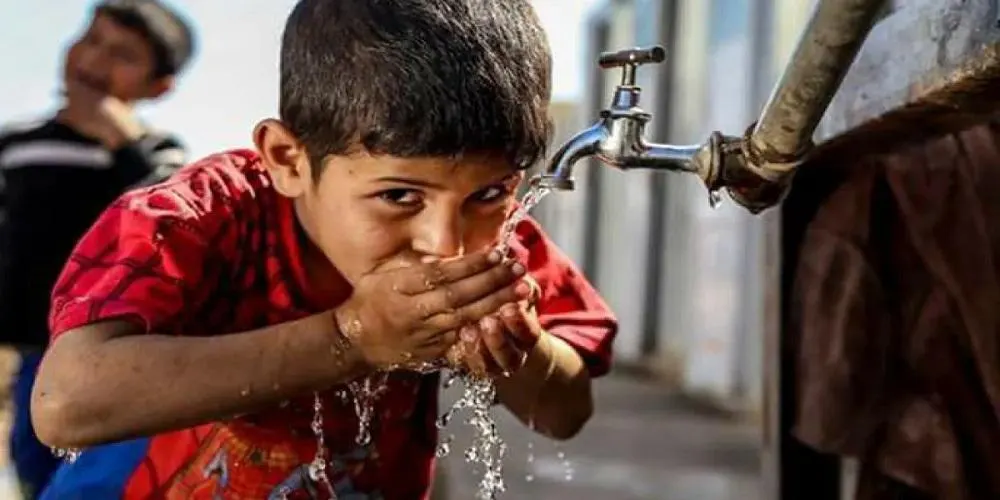
- Children, who are most at risk of dehydration and illnesses linked to dirty water, and who often miss school to help their families fetch water.
- Women and mothers, who typically carry the responsibility of finding water for cooking, laundry, and caring for little ones.
- The elderly, the sick, and people with disabilities, who can't easily walk long distances or carry heavy containers.
Bringing water right to the tents does more than quench thirst. It protects these groups and lifts an exhausting daily chore off their shoulders.
The Water Crisis in Numbers
Only about 2.5% of the water on Earth is fresh; salt water makes up the rest, and ice sheets hold roughly 70% of that fresh water. That means the groundwater and surface water humans can actually reach is a very small share, and it is not easily enough for the world's needs.
The Arab region is among the driest in the world because demand for water far outpaces supply. Figures from 2020 showed:
- 274 billion cubic meters of surface water and shared rivers.
- About 62 billion cubic meters of groundwater and local water.
- The region uses 77% of its renewable water every year, leaving many countries under water stress and facing real shortages.
What These Numbers Mean for Displaced Families
Water per person varies enormously from one place to another: in some countries each person has hundreds of thousands of cubic meters a year, while elsewhere it is only a few. In displacement camps that gap is at its starkest. Thousands of families depend on irregular water trucks or unsafe wells, and children walk long distances every day to fetch water, which raises the risk of waterborne disease.
Water Sadaqah: Ongoing Charity Rooted in the Sunnah
Water sadaqah simply means giving water to others so they are spared the struggle of getting it. Islam strongly encourages it and treats it as sadaqah jariyah, because its benefit continues for as long as people drink from it, even after the donor has passed away.
The Prophet (peace be upon him) said: "The best Sadaqah is providing water" (Narrated by Ibn Majah). And Sa'd ibn 'Ubadah (may Allah be pleased with him) said: "I said: 'O Messenger of Allah, which Sadaqah is best?' He said: 'Providing water.'" (Narrated by An-Nasa'i).
Learn more in our article Providing Water: The Best of Sadaqah.
Ways to Give the Gift of Water
Drilling Wells
A well is one of the most effective and longest-lasting solutions, giving remote villages and camps a permanent water source. Clean well water cuts down on disease, improves public health, and raises living standards, which is why a well is such a rewarding form of ongoing charity. You can take part through our Well Drilling campaign.
Water Delivery and Tank Refills
Where drilling is not possible, the answer is to truck water in and distribute it fairly and on a regular schedule so supplies never run dry. A simpler version of this charity is offering water to people at their workplaces, a small kindness that builds goodwill and mercy between people.
Water for Mosques
Making water available for worshippers to drink and perform wudu is a blessed act. Those who supply water to a house of Allah, asking nothing in return, can hope for the doors of provision and Paradise to open for them.
Water for Refugees and Camps
Bringing safe drinking water to informal camps tackles a very real crisis. It frees thousands of families to focus on their lives instead of searching for water, supports education and health, and sharply reduces diseases caused by poor hygiene and the lack of clean water.
How Water Actually Reaches a Camp
Relief work in the camps relies on several tools working together:
| Tool | What it does |
|---|---|
| Storage tanks | Keep dust and dirt out, allow the water to be disinfected with agents like chlorine, and make fair distribution possible |
| Tanker trucks | Carry water to any point in the camp and fill dedicated tanks while preserving its quality |
| Purification units | Make water safe for people to drink |
| Wells | Provide a permanent source so water doesn't have to be trucked in again and again |
| Ice blocks in summer | Keep drinking water cool in extreme heat when the power is out and there is no other way to cool it |
How to Help Through Elvefa
- Choose your type of gift: emergency water through tanks and tanker trucks, or ongoing charity by funding a well.
- Donate through the Water for the Needy or Well Drilling project pages.
- If you like, dedicate the reward to your parents or a loved one who has passed away.
- Elvefa's field teams handle fair distribution to displaced families.
Frequently Asked Questions
Does giving water count as sadaqah?
Yes. According to the hadith, it is among the very best forms of sadaqah, and its reward is immense.
How can I donate water to refugee camps?
You can help fund the tanks and tanker trucks that bring drinking water to the camps, or entrust a reliable humanitarian organization to handle fair distribution or drill a well.
Which is better: water delivery or a well?
Both are good. Delivery meets an urgent need where drilling isn't possible, while a well provides a permanent supply and counts as long-term sadaqah jariyah.
Why is water so closely tied to health in camps?
Without enough clean water, hygiene breaks down and infectious diseases linked to contamination spread quickly. Clean water is the foundation of prevention.
Final Word
Water in a camp is not a luxury. It is a condition for life, health, and dignity. Every tank, tanker, or well means a family that can drink safely and children who are less likely to fall sick. Give today through Elvefa's Water for the Needy project and make it a sadaqah jariyah that keeps flowing. Elvefa is a 501(c)(3) nonprofit, so your donation is tax-deductible.