

Types of Obligatory Zakat: Thresholds, Rates and How to Pay
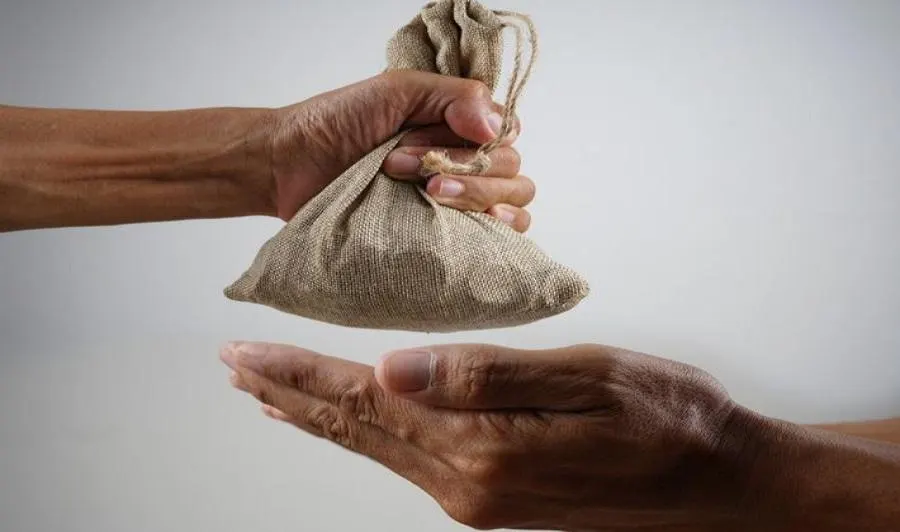

The types of obligatory zakat fall into two broad groups: zakat on wealth, which covers cash, gold, silver, crops, livestock and stocks, and Zakat al-Fitr, which is due on each person at the end of Ramadan. Each type has its own nisab (minimum threshold), rate and conditions. This guide walks through all of them in plain terms so you can figure out what you owe and pay it with confidence.
Work out your zakat: use our Zakat Calculator to find today’s nisab and the zakat due on your cash, gold and shares in a minute.
We'll start with what zakat means and why it matters, go through each category with its threshold and calculation, then cover who has to pay, who can receive it, a worked example and a few mistakes worth avoiding.
Table of Contents
What Zakat Is and Why Allah Made It Obligatory
The Arabic word zakat carries three ideas: growth, blessing and purification. It cleanses the wealth and it cleanses the heart of the person who gives it. In Islamic law, it is a fixed share of wealth that a Muslim pays once their assets reach the nisab and have been held for a full lunar (Hijri) year, given to the categories of recipients named in the Quran. It is the third pillar of Islam, which makes it a duty, not an optional good deed.
What zakat accomplishes
- It purifies the giver from greed and stinginess.
- It meets real needs so the poor and needy can live with dignity.
- It strengthens faith as an act of obedience to Allah.
- It knits the community together by spreading mercy between rich and poor.
- It keeps the economy balanced by circulating wealth instead of letting it pile up with one group.

Category One: Zakat on Wealth
Zakat on wealth is an umbrella for several kinds of assets. They differ in their threshold, their rate and when they become due.
Cash and savings
Cash is zakatable at 2.5% (one-fortieth) once it reaches the nisab and a full lunar year has passed. The nisab equals the value of 85 grams of pure gold or 595 grams of silver. Because the dollar value of the nisab moves with the gold price, check the current figure with our Zakat Calculator before you pay.
Zakat on cash is due when:
- Your wealth reaches the nisab.
- You have owned that nisab for a full lunar year.
- The money is fully yours, not shared with anyone, and you are free to use it.
- The money is free of debt.
The math is simple: subtract what you owe, then multiply what's left by 0.025, or divide it by 40. Both give the same answer.
Gold and silver
Gold and silver coins, bullion and jewelry kept for savings or investment are zakatable at 2.5% once they reach the nisab and a lunar year passes. The thresholds by weight are:
- Gold: 85 grams of pure 24K gold, or 97 grams of 21K gold.
- Silver: 595 grams of pure silver.
To find the amount due, multiply the total weight by today's price per gram and take 2.5% of the result. For jewelry and different karats, see our detailed guide to zakat on gold and its nisab.
Stocks and investments
Shares you own are zakatable at 2.5% if the company itself doesn't pay zakat on them. How you calculate depends on why you hold them:
- Trading shares bought to sell when the price rises are treated like business inventory.
- Long-term holdings kept for their yearly returns rather than for trading are zakatable on the profit earned, not on the share value.
Either way, the holdings must reach the nisab (the value of 85 grams of pure gold) and a full lunar year must pass.
Crops and produce
This covers grains and fruits that can be stored, such as wheat, rice, dates and raisins. Unlike other zakat, it doesn't wait for a lunar year; it is due at harvest. The nisab is five wasqs, roughly 612 to 653 kg. The rate depends on how the land was watered:
| Irrigation | Zakat due |
|---|---|
| Rain or rivers, at no cost | 10% |
| Paid wells or pumps | 5% |
| A mix of both | 7.5% |
Livestock
Camels, cattle, sheep and goats are zakatable when they graze freely on pasture rather than being fed, reach the nisab and complete a lunar year. Working animals used for plowing or drawing water are exempt. The minimum herd sizes are:
- Camels: 5 or more.
- Cattle: 30 or more.
- Sheep and goats: 40 or more.
Zakat on wealth also includes trade goods, minerals and buried treasure (rikaz).
Category Two: Zakat al-Fitr
Zakat al-Fitr is required of every Muslim, young or old, who has more than enough food for the day and night of Eid beyond the basic needs of their household. It is one prophetic sa' of the local staple, such as rice, wheat, dates or raisins, per person, which works out to about 2.5 to 3 kg.
It becomes due at sunset on the last day of Ramadan. The best time to give it is before the Eid prayer, since that helps the poor most, and it may be paid a day to three days early. Its cash value is set every year, and Elvefa announces it at the start of Ramadan through our Zakat al-Fitr campaign.
Quick Reference: Thresholds and Rates
| Type | Nisab | Rate | When due |
|---|---|---|---|
| Cash | Value of 85 g gold or 595 g silver | 2.5% | After a lunar year |
| Gold | 85 g of 24K (97 g of 21K) | 2.5% | After a lunar year |
| Silver | 595 g | 2.5% | After a lunar year |
| Stocks | Value of 85 g gold | 2.5% | After a lunar year |
| Crops | 5 wasqs (612–653 kg) | 10%, 5% or 7.5% | At harvest |
| Livestock | 5 camels / 30 cattle / 40 sheep | Depends on herd size | After a lunar year |
| Fitr | Food beyond the day's needs | One sa' per person | End of Ramadan, before Eid prayer |

How to Calculate Zakat on Your Wealth, Step by Step
- Find the nisab: the value of 85 grams of 24K gold or 595 grams of pure silver.
- Add up your zakatable assets: cash, profits, gold, plus money others owe you that you expect to get back.
- Subtract your debts: what you currently owe.
- Pay 2.5%: if the balance meets the nisab and you've held it for a lunar year.
A worked example
Say you have $20,000 in savings, a friend owes you $2,000 that you expect to be repaid, and you have a $4,000 payment due. Your zakatable total is $20,000 + $2,000 − $4,000 = $18,000. If that is above the nisab and has been held for a lunar year, your zakat is $18,000 × 0.025 = $450.
Common Mistakes to Avoid
- Counting the year by the Gregorian calendar instead of the lunar calendar.
- Leaving out money owed to you that you expect to collect.
- Using an old nisab figure after the gold price has changed.
- Mixing up zakat and sadaqah, or giving zakat to people outside the eligible categories.
Who Has to Pay Zakat?
You owe zakat if you are Muslim (it isn't required of non-Muslims), your wealth reaches the nisab, you've held it for a full lunar year, you own it outright and control it, and it is free of debt and above what you and your family need.
The Eight Categories of Zakat Recipients
Surah At-Tawbah (9:60) names who may receive zakat:
- The poor, who don't have enough to live on.
- The needy, who have something but not enough to cover their needs.
- Zakat workers, who collect and distribute it.
- Those whose hearts are to be reconciled and strengthened in Islam.
- Those in bondage, including captives.
- Debtors who can't repay what they owe.
- In the path of Allah, those striving for His cause.
- The stranded traveler (ibn al-sabil) who can't get home.
How Your Zakat Reaches Refugees and Displaced Families
Zakat works as a real social safety net. It redistributes wealth, eases poverty, builds goodwill and supports long-term development. Its impact is especially clear for refugees and displaced people who need food, clothing and shelter, above all in disasters and crises, and scholars have issued fatwas permitting zakat to be given to them because of their urgent need.
Elvefa's experienced field teams deliver zakat to displaced families and orphans. You can give directly through our Zakat campaign.
Zakat vs. Sadaqah at a Glance
| Zakat | Sadaqah | |
|---|---|---|
| Status | Obligatory, a pillar of Islam | Voluntary and recommended |
| Amount and timing | Fixed nisab, due after a lunar year | No set amount or time |
| Recipients | The eight Quranic categories | Anyone in need, including relatives and non-Muslims |
| Intention | Fulfilling the obligatory zakat | Purifying the soul and wealth, wiping away sins |
| Effect | Fair distribution of wealth, social solidarity | More blessing, mercy and provision |
FAQ
How many types of obligatory zakat are there?
Two main types: zakat on wealth and Zakat al-Fitr.
What counts as zakat on wealth?
Cash and currency, gold and silver, trade goods, livestock, crops and produce, and minerals and buried treasure. All of it goes to the eight categories listed in Surah At-Tawbah.
How is zakat on wealth different from Zakat al-Fitr?
Zakat on wealth is tied to your assets and is due after a lunar year. Zakat al-Fitr is due on each person, starting at sunset on the last day of Ramadan, and is best given before the Eid prayer.
Do I have to wait a year to pay zakat on crops?
No. Zakat on crops and produce is due at harvest, with no one-year waiting period.
Bottom Line
Knowing what kind of wealth you hold is the first step to paying zakat correctly: confirm the nisab, check the lunar year, apply the right rate and hand it to someone you trust. Run your numbers, then give through Elvefa's Zakat campaign. Elvefa is a registered 501(c)(3), so your gift is tax-deductible, and it goes straight to displaced families who are counting on it.