

Zakat on Agriculture: Crop Nisab, Rates and a Worked Example

Zakat on agriculture is due on crops that people cultivate and that can be stored, such as wheat, rice, dates and raisins, once the harvest reaches the nisab of five awsuq (roughly 612–653 kg). The rate is 10% for land watered at no cost, 5% for land irrigated with pumps or machinery, and 7.5% when both methods are used.
Work out your zakat: use our Zakat Calculator to find today’s nisab and the zakat due on your cash, gold and shares in a minute.
It is a form of zakat that purifies both wealth and heart and brings blessing to what the land produces, sending part of each harvest straight to people in need. Below you'll find the conditions, which crops count, a worked calculation, and how to give it through Elvefa.
Table of Contents
When Is Zakat Due on a Harvest?
Not everything that grows from the ground is zakatable. Conditions apply both to the crop and to the person who owns it.
Conditions for the Crop
- It was cultivated. Plants that grow wild with no human effort are not included.
- It can be stored. The produce keeps without spoiling, like wheat, legumes, dates and raisins.
- It is productive. It is a crop that is grown, tended and harvested for yield.
- It reaches the nisab. That is five awsuq, explained below.
Conditions for the Owner
- Muslim.
- Sane, mature and legally responsible.
- The actual owner of the harvest, free to decide what to do with it.
Which Crops Are Included?
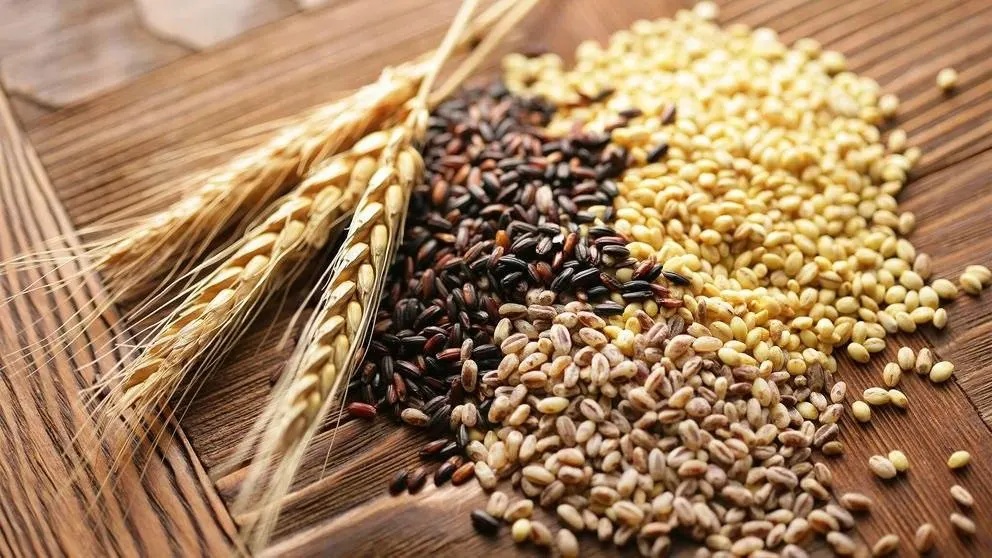
According to the majority of scholars, zakat applies to these categories when they reach the nisab:
| Category | Examples |
|---|---|
| Storable grains | Wheat, rice, corn, barley |
| Legumes | Fava beans, chickpeas, lentils |
| Storable fruit | Dates, raisins |
| Produce that is dried and stored | Pistachios, almonds, olives, black seed and similar |
The Nisab in Kilograms
The threshold is five awsuq. One wasq is about sixty sa', so five awsuq equal 300 sa'. A sa' is four double handfuls of an average man with full, cupped hands. In modern terms, the nisab comes to about 612–653 kg of grain or dried fruit.
Always weigh the crop once it is dry, not while it is still green, since produce loses a lot of weight as it dries.
When to Pay
Agricultural zakat is paid at harvest, or once fruit meant for storage has dried, based on the verse: {Give its due on the day of harvest}. It is tied to the harvest itself, which sets it apart from zakat on cash savings.
How Irrigation Sets the Rate
Islamic law takes the farmer's effort and expenses into account, so the rate depends on what it cost to water the land:
- Natural watering (rain, rivers, streams, canals): one-tenth, or 10% of the full yield.
- Paid irrigation (machinery, pumps, wells, trucked water): one-twentieth, or 5%.
- A mix of both: three-quarters of a tenth, or 7.5%.

A Worked Example
A farmer harvests 2,000 kg of dried wheat from a field watered with a fuel-powered pump:
- Is it above the nisab? Yes, 2,000 kg is more than 653 kg.
- The irrigation had a cost, so the rate is 5%.
- Zakat due: 2,000 × 5% = 100 kg of wheat.
If the same field were rain-fed, the zakat would be 200 kg; with mixed watering, 150 kg. To pay in cash instead, apply the same percentage to the crop's market value.
Tips for Getting It Right
- Weigh each crop separately and never mix this season's yield with last season's.
- Only produce of the same kind is added together to reach the nisab.
- Keep track of how the field was watered through the season so you apply the correct rate.
Rented Farmland: Who Pays?
When a farmer rents land and grows a crop on it, the zakat is on the farmer, from the net yield, once it reaches the nisab (about 653 kg at harvest): 10% if watering cost nothing, 5% if it required machinery, pumps or wells.
The landowner owes nothing on the crop itself. Their zakat is on the rent they collect, if it reaches the nisab and a full year passes on it.
A Special Case: Rikaz (Buried Treasure)
Rikaz is treasure from pre-Islamic times found buried in the ground, whether gold, silver or something else, that can be recovered without much effort. Its zakat is one-fifth (20%) of what is found, as the Prophet (peace be upon him) said: "And on Rikaaz, one-fifth."
No full year needs to pass; it is paid as soon as it is found. According to the Maliki and Hanbali schools, there is no nisab for it either.
Giving Your Crop Zakat Through Elvefa
If there are few eligible people near your farm, or you want your zakat to reach families in the greatest need, you can sell the harvest and give the zakat share in cash, which is permitted when it better serves the poor. Donate it through Elvefa's Zakat campaign, and our teams distribute it to poor and displaced families.
Want your giving to keep growing too? Take a look at our 1000 fruit trees project, which gives families a lasting source of income.
Frequently Asked Questions
What are the conditions for zakat on crops and fruit?
The harvest must reach the nisab (about 653 kg), be cultivated by people and suitable for storage, and only crops of the same kind are combined toward the nisab.
What is the agricultural nisab in kilograms?
Around 653 kg of grain or dried fruit, equal to 300 sa' or five awsuq.
Can I pay crop zakat in cash?
Yes, if it serves the poor better. Sell the harvest and give the required percentage of its value instead of the grain itself.
Does the owner of rented land pay zakat on the crop?
No. The tenant who farmed it pays zakat on the harvest; the owner pays zakat on the rent if it meets the nisab and a year passes.
The Takeaway
Crop zakat starts once your harvest hits the nisab and is calculated at 10%, 5% or 7.5% depending on irrigation, due at harvest time. When your season comes in, let the share of those in need reach them through Elvefa's Zakat campaign. Elvefa is a 501(c)(3) nonprofit, so your gift is tax-deductible.