

What to Do During the Day in Ramadan: Tips From Suhoor to Iftar


What should you do during the day in Ramadan so the hours don't slip away? The best ways to fill your fasting day are making du'a at its blessed times, reading the Quran and teaching it to your kids, giving sadaqah and paying zakat, and helping feed people who are fasting. Below are practical tips laid out across the day, from suhoor to Maghrib, so you can balance worship, giving, and peace of mind.
Table of Contents
A Month Worth Planning For
Every year Ramadan arrives full of mercy and goodness, and Muslims race to get closer to Allah through fasting, prayer, and supplication, hoping for forgiveness and blessing in their lives. Ramadan 1448 AH is expected astronomically to begin around February 8, 2027, confirmed by moon sighting, so now is a good time to sketch out a plan for your days.
One of the most rewarding things you can do this month is help people who don't have enough to eat. For many families, Ramadan becomes a season of relief thanks to generous donors.
Your Ramadan Day at a Glance
| Time of day | What you can do |
|---|---|
| Suhoor | Make du'a and seek forgiveness; eat with the intention of gaining strength for worship |
| After Fajr | Read your daily portion of Quran and morning adhkar |
| Morning to midday | Do your work or studies well, and give a daily sadaqah, however small |
| Afternoon | A Quran session with the kids; review your zakat and giving |
| Before Maghrib | Hand out water and dates or prepare iftar meals for others; make du'a when you break your fast |
1. Build Du'a Into Your Routine
Ramadan is a month when the gates of heaven are opened and Allah answers His servants, so Muslims ask often for pardon, forgiveness, provision, and well-being. Du'a is itself an act of worship that draws a believer close to their Lord. Some of the best times are suhoor, after the Fajr prayer, and Laylat al-Qadr.
Supplications to Keep on Your Tongue
- Seeking pardon: “O Allah, You are Most Forgiving and love forgiveness, so forgive me.”
- For a good life and a good end: “O Allah, I ask You for a wholesome life, a righteous death, and a return that brings neither disgrace nor shame.”
- A comprehensive du'a: “O Allah, I ask You for all goodness, immediate and delayed, what I know of it and what I do not know, and I seek refuge in You from all evil, immediate and delayed, what I know of it and what I do not know.”
- For contentment and a sound heart: “O Allah, grant me a sound heart and a truthful tongue, and protect me from all evil.”
- At iftar: “The thirst is quenched, the veins are moistened, and the reward is confirmed, Allah willing.”
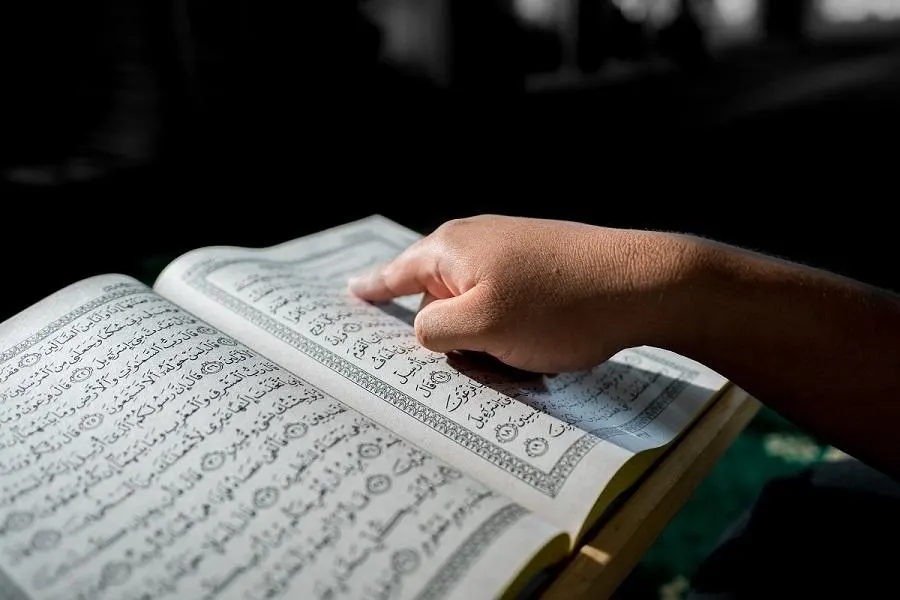
2. Teach Your Kids the Quran in the Month of the Quran
Ramadan is the month the Quran was revealed, and children are often most receptive when they see their parents reading and praying. The goal isn't memorization alone. Help them understand the values and meanings behind the verses in simple language, and use the stories of the Quran to bring its importance to life.
Methods That Work With Young Kids
- Recite verses in front of your child and repeat them, then let them recite while you gently correct mistakes.
- Use apps with videos of correct recitation to keep them engaged.
- Tell Quran stories in a fun, easy way that teaches good character.
- Reward progress with small gifts.
- Run friendly competitions between kids for memorization and understanding.
- Encourage them to recite what they've memorized in their prayers, which locks it in and builds confidence.
Tips to Make Learning Easier
- Pick a time when your child is alert and full of energy.
- Remove distractions during the session.
- Bring in an experienced, qualified teacher if you can. You might also sponsor a child memorizing the Quran who has no one to teach them.
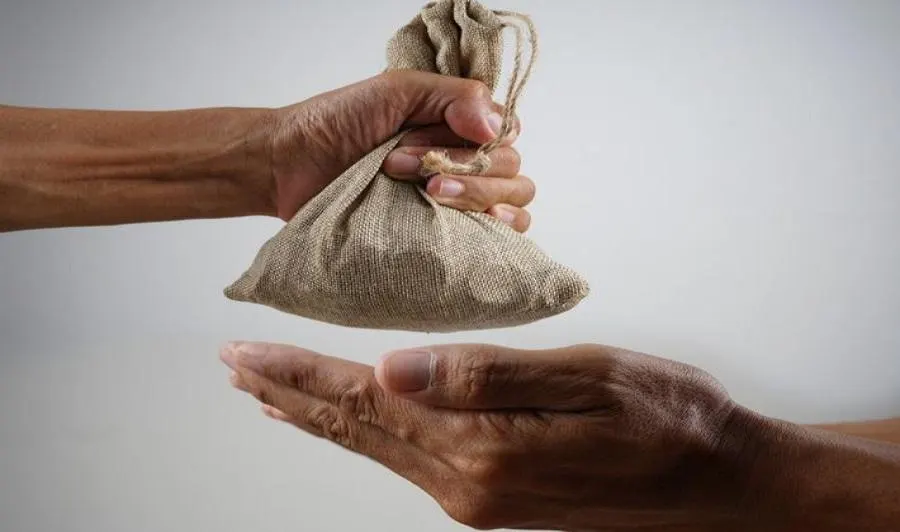
3. Give Something Every Day
Sadaqah in Ramadan is one of the most beautiful doors of goodness, a path to Allah's pleasure and forgiveness and a means of erasing sins. It comes in many forms:
- General charity: donating food, money, medicine, or clothing.
- Sadaqah jariyah: ongoing charity whose reward lasts as long as it benefits people, such as wells.
- Feeding fasting people: one of the most beloved deeds this month.
- Sharing knowledge: teaching others something beneficial.
What You Gain From Ramadan Charity
Blessing and growth in your provision, multiplied reward, the gates of Paradise opened and protection from the Fire, and a cleansing of your wealth and soul.
When Is Charity Most Rewarding?
In the last ten nights of Ramadan, especially Laylat al-Qadr, and particularly when it takes the form of feeding fasting people, giving money, or clothing orphans and the poor.
4. Get Your Zakat in Order
Zakat is an obligation owed to those entitled to it. Its purpose is to lift the poor out of need so they don't have to ask others, and many Muslims choose to pay it in Ramadan for the greater reward.
| Item | Zakat al-Fitr | Zakat on wealth |
|---|---|---|
| Who owes it? | Every Muslim who is able, male or female, young or old | Anyone whose wealth reaches the nisab and is held for a full lunar year |
| Amount | One sa' of the local staple food, about 2.04 kg | 2.5% of the wealth that reaches the nisab |
| Timing | Preferably in mid-Ramadan or before the Eid prayer | During Ramadan, or earlier when there is a reason |
The cash value of Zakat al-Fitr is set each year, and Elvefa announces it at the start of Ramadan on its Zakat al-Fitr page. To figure out your zakat on wealth at today's gold price, use the Zakat Calculator.
Why Pay Zakat in Ramadan?
- You combine the reward of fasting with the reward of zakat.
- It earns Allah's pardon, wipes away sins, and protects from the Fire.
- It purifies and blesses your wealth and frees the heart from stinginess.
- It brings joy to people in need and spares them from depending on others.
5. The Hour Before Maghrib
Water and Dates for Travelers
In many Muslim countries, young volunteers head to busy roads before the Maghrib call to hand out dates and bottled water to people who won't make it home in time for iftar. It's a simple idea with real impact:
- It spares fasting people severe hunger when their iftar is delayed.
- It offers instant help to someone still on the road.
- It strengthens community ties and goodwill.
- It earns a great reward.

An Iftar Meal for Someone Who Has None
For a person who can't afford even one meal, an iftar brings hope and reassurance. That's why many donors rush to provide meals that reflect Islam's values of solidarity and compassion. Feeding a fasting person multiplies your reward, blesses your provision, protects from the Fire, brings forgiveness of sins, and strengthens the community. You can provide meals for displaced families through Elvefa's Iftar for Fasting People project.
Common Mistakes That Waste a Ramadan Day
- Staying up until Fajr and sleeping most of the day, which costs you hours you could fill with worship and work.
- Endless scrolling: set a fixed time for social media so it doesn't eat up your fasting hours.
- Saving all your charity for the end of the month: it's better to give a little every day.
- Ignoring rest: a worn-out body struggles to worship, and a short daytime nap can help you pray at night.
Giving Through Elvefa This Ramadan
You don't have to find families in need on your own. Elvefa's experienced field team delivers donations on time to displaced families and orphans. You can give by:
- Donating online, around the clock.
- Bank transfer.
- In-kind donations of clothing, food, or medicine.
- Sponsoring a community iftar that Elvefa organizes and opens to poor families.
Want to give your time as well? Read our guide to volunteering during Ramadan.
Frequently Asked Questions
What matters most during Ramadan?
Keeping up the core acts of worship, including fasting, prayer, du'a, and Quran, while doing more good deeds and charity and staying away from sins.
How should I spend the first day of Ramadan?
Focus on fasting and prayer, make plenty of du'a and dhikr, and read the Quran. Pay attention to cleanliness and purification too. This sets you up mentally and physically for the rest of the month.
How can I spend the day in worship without burning out?
Wake up early for suhoor, pray Fajr, and read a few verses with reflection. Then split the rest of your day between work, charity, and remembrance of Allah, keep your nights for prayer, and make sure you get enough rest.
Can I pay my zakat early so it falls in Ramadan?
Yes, paying it early is allowed when there is a reason, and many people do so to earn a greater reward.
Make Every Fasting Day Count
The daytime hours of Ramadan are a treasure you can fill with du'a, Quran, and giving. Make a simple plan, set aside a small daily sadaqah, and remember those waiting for an iftar meal. Give today through Elvefa's Iftar for Fasting People project. Elvefa is a 501(c)(3) nonprofit, so your Ramadan donations are tax-deductible.