

Volunteering in Ramadan: Practical Steps and Ideas for Doing Good
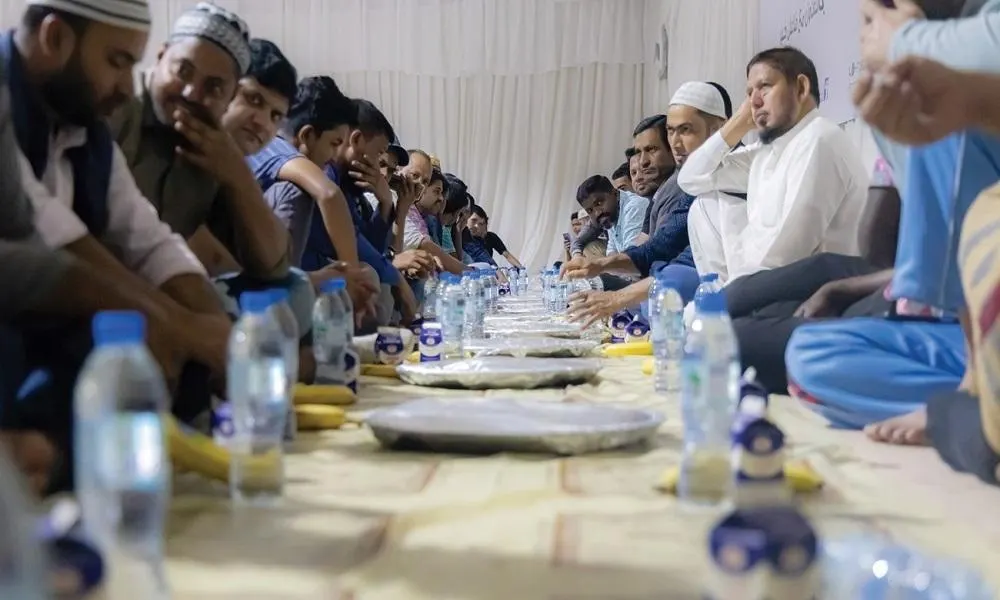

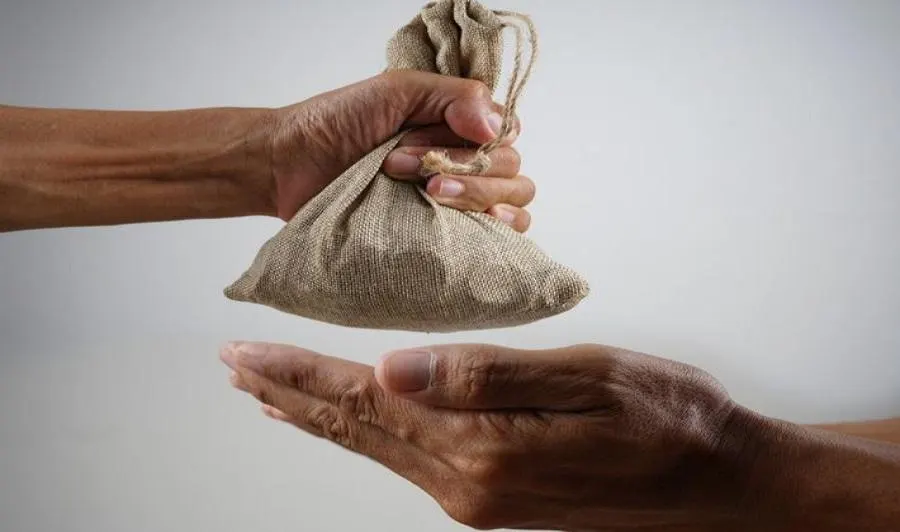
Volunteering during Ramadan means giving some of your time and skills to serve people who are fasting and people in need, whether on your own, through simple acts like handing out dates and water before iftar, or as part of a charity team that runs iftar meals and packs food baskets. In a month when rewards are multiplied, it is one of the most direct ways to seek Allah's pleasure, because relieving other people's hardship brings good back to the one who does it.
Below you'll find the two main ways to volunteer, a simple four-step plan to get started, where to look for opportunities, what you and your community gain, and a list of ready-to-use ideas, including ways to help from home.
Table of Contents
Two Ways to Volunteer This Ramadan
On your own
Individual volunteering is good you start yourself, without waiting for anyone to organize it. For example:
- Handing out dates and water to people on the road just before Maghrib.
- Cooking a full iftar for a neighbor who is struggling.
- Teaching children to read the Qur'an.
- Visiting someone who is sick and helping with their needs.
With an organization
Group volunteering means joining a charity or community team to carry out bigger projects: preparing iftar meals for fasting people, packing food baskets and delivering them to families who can't cover their daily needs. Pooling effort this way helps aid reach more people with better organization, and working alongside experienced volunteers teaches you a lot while making sure help goes to families whose situations have been checked.
Getting Started in Four Steps
- Figure out what fits you. Are you drawn to serving meals, teaching, or helping the sick and elderly?
- Find an opening. Reach out to trusted charities, including Elvefa, which welcomes young people who want to help, or look for food drives and iftar programs near you, such as those at your local masjid.
- Block out your time. Set specific hours each week so volunteering sits comfortably alongside work, worship and family.
- Start small. Begin with easy tasks like handing out water or keeping an elderly person company, then take on more as you gain confidence.
Where to Find Volunteer Opportunities
- Social media: many charities and community groups post calls for volunteers in the weeks before Ramadan.
- Volunteer-matching websites that list opportunities in your area.
- Charity offices and masjids: stop by or call and ask whether they need help.
- Friends who already volunteer: they are often the quickest route onto an existing team.
What You and Your Community Gain
| Spiritual | Personal | Community |
|---|---|---|
| Peace and calm in the heart | More self-confidence | Stronger relationships and a spirit of cooperation |
| Multiplied reward from Allah | A habit of doing good and distance from sin | Better conditions for people in need, with aid delivered efficiently |
| Nearness to Allah and sins erased | New skills, learned continuously | Help solving problems and easing crises |
| Stronger human and spiritual values | Free time filled with something meaningful | A warmer, more positive community that encourages charity |
No Good Deed Is Too Small
Allah says: "So whoever does an atom's weight of good will see it" (Surah Az-Zalzalah: 7). Even the simplest contribution makes a real difference, and you'll see it in:
- Happiness spreading through the people around you, lifting the whole community.
- Good deeds multiplied in the month of goodness.
- Allah's pleasure and the peace that comes with being close to Him.
- Mercy and affection shared through acts like providing iftar, cleaning masjids and delivering food baskets.
- Barakah in your effort, however modest it seems.
Ready-to-Use Volunteer Ideas
Things you can start today
- Run errands for elderly neighbors and others who need a hand.
- Hand out dates and water to workers who are fasting.
- Set up a water cooler in a public spot.
- Help clean a park or your masjid ahead of Taraweeh.
Projects that need a team or funding
- Cooking and delivering iftar meals, or helping put together food baskets for low-income families.
- Giving financial help to struggling families or helping them pay off debts.
- Covering medicine or treatment costs for patients.
- Buying Eid clothes for children from poor families.
- Carefully identifying families in need so donations reach the right people.
Volunteering from home
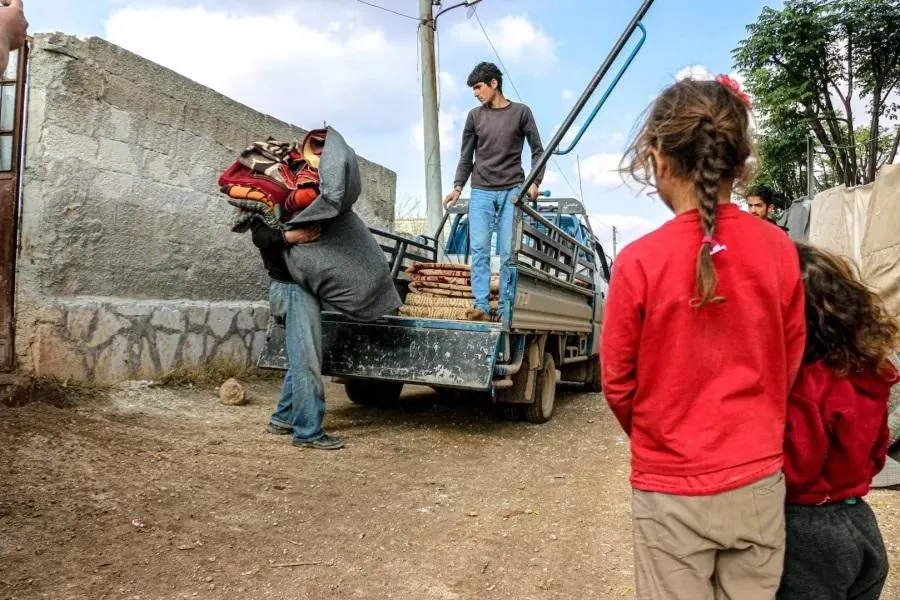
Can't get out into the field? Run an awareness campaign on social media, share trustworthy campaigns with friends, or organize a family or masjid fundraiser for an iftar project. Many American Muslims volunteer this way for families overseas. For ideas on what to give, read what you can donate during Ramadan.
Balancing Volunteering and Worship
Some people worry that volunteering will cut into their prayer and Qur'an time. In reality, serving fasting people is itself worship when the intention is right. Still, a little planning helps:
- The hours before Maghrib are ideal for handing out meals, dates and water, when the need is greatest.
- After Taraweeh works well for team meetings, planning and packing baskets.
- Weekends suit longer field activities, like visiting senior homes or cleaning masjids.
- The last ten nights: lighten heavy commitments so you can focus on night prayer and du'a, sticking to tasks you can finish quickly.
A small amount of good kept up all month helps people more than a burst of energy that fades after the first week, and giving money complements giving time rather than competing with it.
Mistakes That Weaken Your Impact
- Losing sincerity. Multiplied reward rests on an intention for Allah's sake, not on being seen.
- Taking on too much. Burnout costs you both the work and your worship; small and steady beats big and short-lived.
- Skipping the learning. Use every chance to build your skills so what you offer keeps getting better.
- Choosing tasks people don't need. Focus on what truly serves the community, like feeding fasting people and preparing meals.
Frequently Asked Questions
What volunteer opportunities are open to individuals?
Teaching and helping children memorize the Qur'an, distributing food to the poor, fundraising at community events, helping organize events, and visiting and supporting the sick and elderly.
How do I find a good opportunity?
Check social media, volunteer-matching platforms, and the websites and offices of charitable organizations.
Can I volunteer without a fixed schedule?
Yes. Individual volunteering is flexible by nature: bring a meal to neighbors, donate to a family in need, or help clean up your neighborhood whenever your time allows.
Can I help if I live far from the people in need?
Absolutely. Volunteering isn't only about being there in person. You can share trusted campaigns, run a fundraiser among friends or at your masjid, or donate directly so a field team delivers help on your behalf.
What skills do volunteers need?
Good communication, adaptability, time management, problem-solving, and a strong sense of responsibility and commitment.
Take the First Step
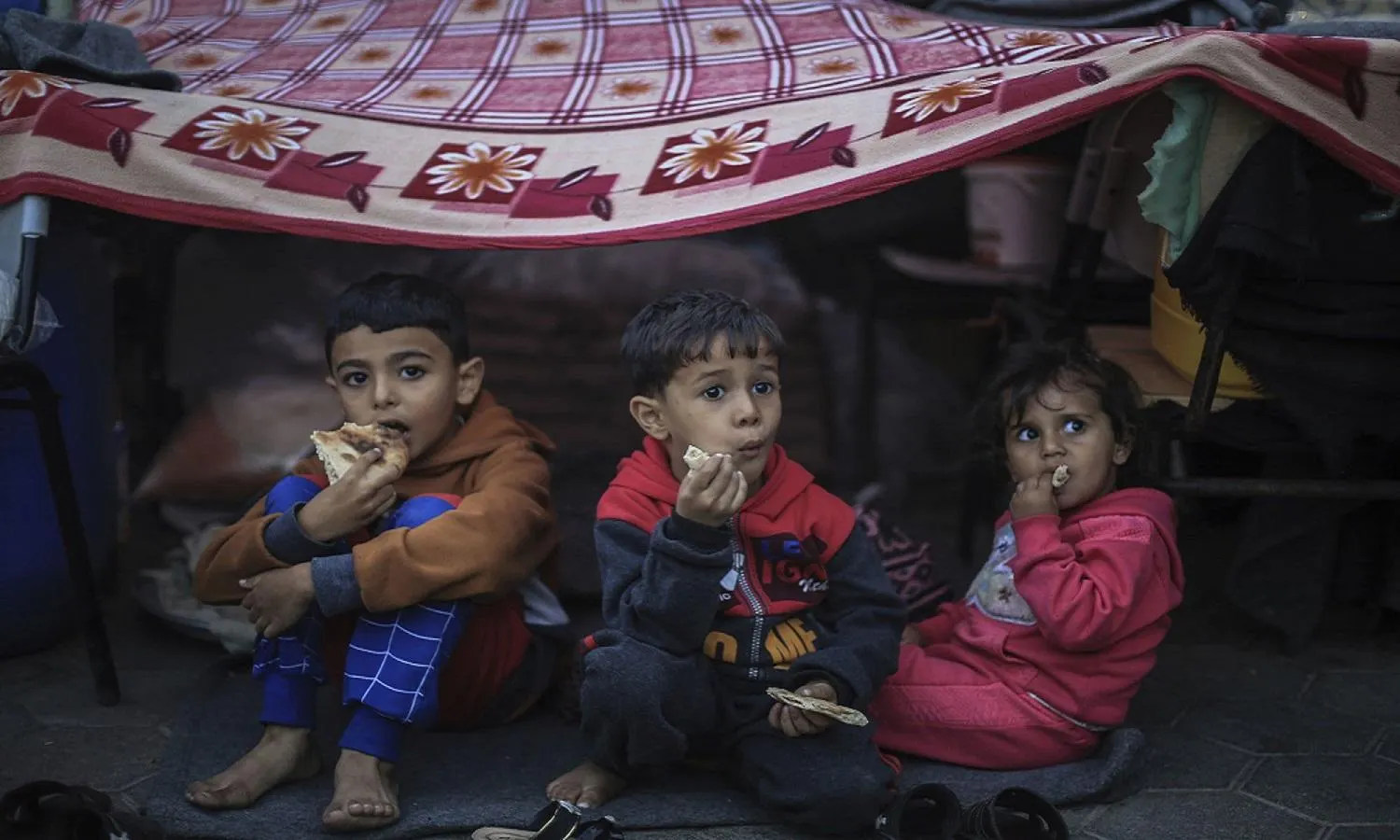
Volunteering in Ramadan doesn't require experience or a lot of free time, just a sincere intention and a first step. And if you can't reach displaced families yourself, your donation can. Elvefa is a 501(c)(3) nonprofit, so your gift is tax-deductible. Support Elvefa's iftar campaign this Ramadan.