

Zakat on Camels: Nisab, Calculation Table, Conditions and Cash
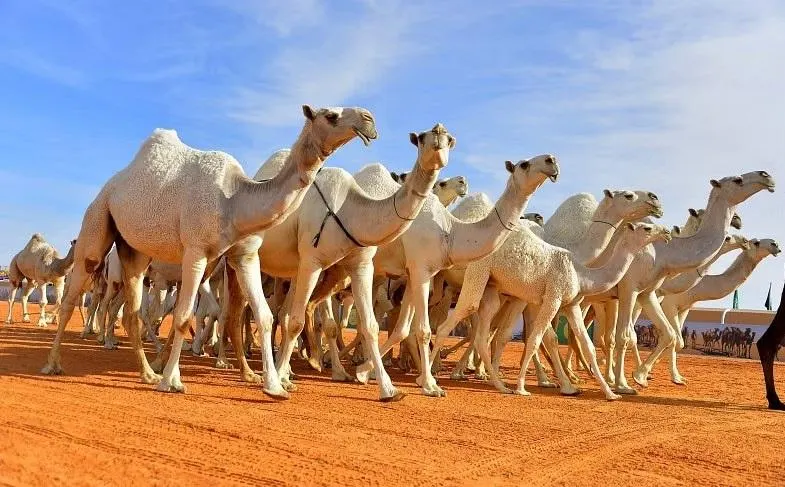

Zakat on camels is due from anyone who owns at least five free-grazing camels for a full lunar year. For every five camels up to twenty-four, the owner gives one sheep; beyond that, the zakat is paid in camels of specific ages that rise with the size of the herd. This guide covers the nisab for camels, a complete calculation table, the conditions and exemptions, and whether you can pay it in cash.
Work out your zakat: use our Zakat Calculator to find today’s nisab and the zakat due on your cash, gold and shares in a minute.
Table of Contents
Understanding Zakat on Camels
Camel zakat is an obligation on livestock wealth. The owner hands over a set portion of the herd, or its equivalent, based on how many head they own. Zakat as a whole is a pillar of Islam that Allah prescribed to meet the needs of the poor and protect their dignity, and He promised a great reward to those who pay it.
It is preferred that the animals given be female and taken from the middle of the herd, neither the best nor the worst. The Sunnah also contains a stern warning for anyone who withholds the zakat on their camels: they will be held to account for it on the Day of Judgment.
Why It Matters
- It cleanses wealth and the soul of stinginess and builds a habit of generosity.
- It meets the needs of the poor, strengthens solidarity, and narrows the gap between rich and poor.
- It multiplies reward with Allah.
- It brings blessing to one's provision and, by Allah's will, growth and protection to the herd.
Conditions: When Is Zakat Due on Camels?
Not every camel triggers zakat. All of the following must be true:
- Nisab: you own at least five camels.
- Hawl: a full lunar (Hijri) year has passed while they are in your ownership.
- Free grazing: the camels feed on natural pasture for most of the year rather than being fed purchased fodder all year.
- Same kind: the herd is of a single type rather than a mix of different types.
When Camels Are Exempt
No zakat is owed on camels in these cases:
- The herd is smaller than five.
- The camels are fodder-fed rather than grazing.
- They are working animals used for plowing or transport, which count as tools of work rather than growing wealth.
- A full lunar year has not yet passed.
Camel Zakat Calculation Table
The amount due grows step by step with the herd so that it stays proportional to the owner's wealth. The nisab starts at five camels:
| Number of camels | Zakat due |
|---|---|
| 5 to 9 | 1 sheep |
| 10 to 14 | 2 sheep |
| 15 to 19 | 3 sheep |
| 20 to 24 | 4 sheep |
| 25 to 35 | 1 bint makhad (a female in her second year) |
| 36 to 45 | 1 bint labun (a female in her third year) |
| 46 to 60 | 1 hiqqah (a female in her fourth year) |
| 61 to 75 | 1 jadha'ah (a female in her fifth year) |
| 76 to 90 | 2 bint labun |
| 91 to 120 | 2 hiqqah |
| Over 120 | 1 bint labun for every 40, and 1 hiqqah for every 50 |
Worked Example
Say a rancher owns 40 grazing she-camels and has had them for a full lunar year. Forty falls in the 36 to 45 bracket, so the zakat is one bint labun. If he owned only 18, he would give three sheep. With just 4 camels, nothing is due because the herd has not reached the nisab.
Can Camel Zakat Be Paid in Cash?
The default is to pay zakat in the same kind of wealth, but cash may come into play in two situations:
- When there is a real need or clear benefit, especially if money is more useful to the poor recipient, although giving camels remains preferable.
- When the owner does not have an animal of the required age, in which case its value is given instead.
What the Scholars Say
- The majority hold that zakat should come from the same type of wealth, meaning the camels themselves.
- The Maliki, Shafi'i, and Hanbali schools consider paying cash disliked, and some of their scholars do not allow it at all.
- Ibn Taymiyyah and others permit paying the value in cash when it benefits the poor.
Quick Reference: Cattle and Sheep
Many farmers own more than one kind of livestock, so here are the thresholds for cattle and sheep as well:
- Cattle: 30 to 39 head, one tabi' (a calf that has completed one year); 40 to 59, one musinnah (a cow that has completed two years); after that, one tabi' for every 30 and one musinnah for every 40.
- Sheep and goats: 40 to 120 head, one animal (a young sheep or a goat in its second year); 121 to 200, two; after that, one for every 100.
For other zakatable assets, see our guide to the types of obligatory zakat and their thresholds.
Giving Your Zakat Through Elvefa
If you pay the value of your livestock zakat where that is permitted, or you owe zakat on other wealth, Elvefa can deliver it to eligible displaced families and orphans through our Zakat campaign. To work out what you owe on cash, gold, and stocks, try the Zakat Calculator.
Camel Zakat FAQ
What is the smallest herd that owes zakat?
Five camels, on which one sheep is due. Fewer than five owe nothing.
Do I owe zakat on camels I feed all year?
No. The camels must graze on natural pasture; animals fed on fodder do not meet this condition.
How much zakat is due on 120 camels?
One hundred twenty falls in the 91 to 120 bracket, so two hiqqah are due. Above 120, you give one bint labun for every 40 and one hiqqah for every 50.
Is zakat due on camels used for transport or plowing?
No. Working camels are used for labor and are not kept for growth, so they are exempt.
Summary
Zakat on camels becomes due once you own five or more grazing camels for a full lunar year, and the amount increases with the herd as shown in the table. Pay it on time from the middle of your herd. To make sure your zakat reaches families who need it most, give through Elvefa's Zakat campaign. Elvefa is a 501(c)(3) nonprofit, so your gift is tax-deductible.