

Charity and Zakat in Ramadan: Virtues, Rules and a Giving Plan


Ramadan multiplies the value of every good deed, which makes it the ideal time to give. Sadaqah given in this month is hoped to carry a greater reward, and zakat that falls due in Ramadan is paid in the most honored month of the year. Both purify your wealth, bring barakah into your income and meet the urgent needs of the poor. This guide covers the virtue of charity and zakat in Ramadan, how the two differ, zakat conditions and recipients, when to pay, and a simple daily giving plan.
Work out your zakat: use our Zakat Calculator to find today’s nisab and the zakat due on your cash, gold and shares in a minute.
Table of Contents
Allah promises those who give a multiplied reward because they become a means of spreading good, and charity becomes a shelter for its giver on the Day of Judgment. As the Prophet ﷺ said: “Every person will be under the shade of his charity until judgment is passed among people.”
Sadaqah: What It Is and What It Brings
Sadaqah is anything you give to someone in need, whether money, food, clothes or even a kind word, seeking Allah's pleasure and closeness to Him. In Islam it stands for mercy and kindness, and its aim is to spread good and lift the poor out of hardship. Allah Almighty says: “The example of those who spend their wealth in the way of Allah is like a seed which grows seven ears; in every ear there are a hundred grains. And Allah multiplies for whom He wills. And Allah is All-Encompassing, All-Knowing.” (Al-Baqarah: 261)
Obligatory and Voluntary Giving
- Obligatory charity is zakat. It is required of every Muslim who has the means, and the Quran names its eight categories of recipients.
- Voluntary charity is whatever you choose to give for Allah's pleasure and forgiveness: money, clothing, food, ongoing charity (sadaqah jariyah), and even a smile or a kind word.
What Charity Does for You
- It multiplies your reward.
- It erases sins and wards off calamity.
- It brings blessing and growth to your provision.
- It shields the giver from the Fire.
- It strengthens bonds between people.

Zakat: The Pillar That Builds Solidarity
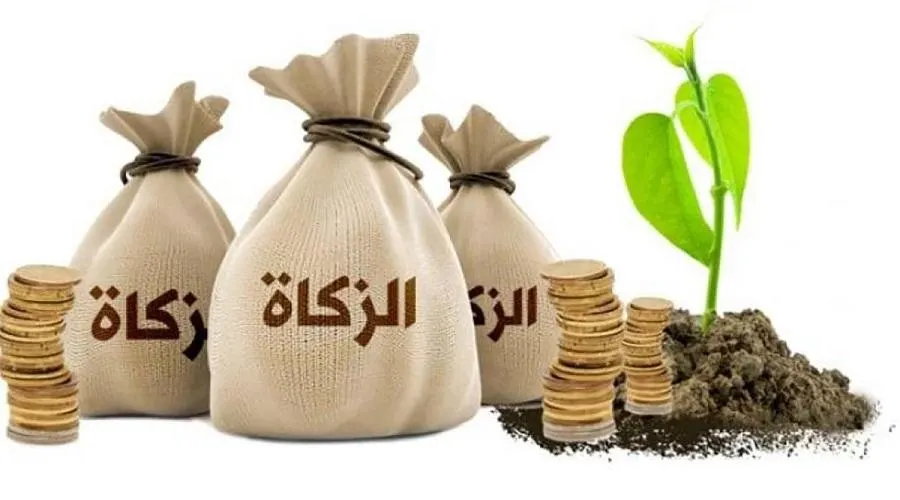
Zakat is one of the five pillars of Islam. It is a set portion of your wealth paid to specific categories of people, so that the poor and needy can cover their basic needs and the community stays bound together.
Who Owes Zakat and on What
| Conditions for the payer | Conditions for the wealth |
|---|---|
| Muslim | Capable of growth, such as money, livestock or crops |
| Free | Reaches the nisab (minimum threshold) |
| Adult, sane and of sound judgment | Exceeds your basic personal needs |
| — | Free from debt |
| — | Held for a full lunar year, except crops and fruit, which are due at harvest |
The Main Types of Zakat
- Zakat on wealth: due on cash, gold and silver owned by a financially comfortable Muslim, at 2.5% of the total. The dollar value of the nisab moves with the price of gold, so use our Zakat Calculator to check it.
- Zakat al-Fitr: paid at the end of Ramadan, in food or, for those who allow it, its cash equivalent.
- Zakat on trade goods: due on business inventory once it reaches the nisab and a full year has passed.
- Zakat on crops and fruit: due at harvest, with no one-year waiting period.
- Zakat on livestock: camels, cattle and sheep, under specific conditions such as reaching the nisab and a full year in the owner's possession.
Who Can Receive Zakat
Islamic law limits zakat to these categories:
- The poor and the needy, who come first.
- Those employed to collect and distribute zakat.
- Those whose hearts are to be reconciled.
- Freeing captives.
- People overwhelmed by debt, whom you can help through Elvefa's debt relief program.
- Those striving in the cause of Allah.
- The stranded traveler.
Zakat vs. Sadaqah at a Glance
| Zakat | Voluntary sadaqah | |
|---|---|---|
| Status | Obligatory, a pillar of Islam | Recommended, voluntary |
| Amount | Fixed, e.g. 2.5% on wealth | Whatever you can give |
| Conditions | Nisab, a full year, full ownership | None |
| Recipients | The eight categories only | Anyone in need and any good cause |
| Timing | When the year completes or at harvest; Zakat al-Fitr at the end of Ramadan | Anytime, with extra reward in Ramadan |
Ramadan: The Month of Generosity
Ramadan is a season of generosity, when Muslims follow the example of the Prophet's open-handedness. That giving brings a huge reward and cleanses both wealth and soul. It shows up in two main ways:
- Generosity with your time and worship: more prayer, du'a, dhikr and Quran recitation, since Ramadan is the best chance of the year to draw closer to Allah.
- Generosity with your money: following the Prophet's example and trusting that Allah multiplies whatever is spent for His sake.
The Fruits of Giving in Ramadan
Ramadan charity combines two acts of worship, fasting and giving, and brings joy to families in need during a month when everyone is racing toward good.
A Closer, Stronger Community
- It builds solidarity and love through practical and emotional support.
- It creates trust and shows people that someone cares.
- It deepens compassion as real needs get met.
- It gives the giver a deep sense of fulfillment.
- It energizes people to work together and improve their community.
More Barakah in Your Provision
- Charity grows wealth and its blessing rather than shrinking it.
- It makes difficult matters easier.
- It keeps poverty away and brings abundance.
- It is one of the means of drawing down provision.
When to Pay Zakat in Ramadan
| Type | When | Note |
|---|---|---|
| Zakat al-Fitr | From sunset on the last day of Ramadan until before the Eid prayer | May be given a day or two early if needed; best paid before the prayer so the poor need not ask |
| Zakat on wealth | When a full lunar year passes on the nisab | Pay it in Ramadan if the date falls then, but don't push it back to Ramadan if it was due long before |
Ramadan 1448 is expected astronomically to begin around February 8, 2027, confirmed by moon sighting. The cash value of Zakat al-Fitr is set every year, and Elvefa announces it at the start of Ramadan on the Zakat al-Fitr campaign page.
A Simple Daily Giving Plan for Ramadan
- Week one: calculate your zakat if your anniversary falls in Ramadan, and pick a small daily sadaqah amount.
- All month: feed a fasting person every day, help prepare iftar, or donate to iftar programs for displaced families.
- Last ten nights: increase your giving in hope of catching Laylat al-Qadr.
- Before Eid: pay Zakat al-Fitr for yourself and your dependents before the Eid prayer.
- Every day: don't forget the free charities: a smile, a kind word, a helping hand.
Common Mistakes to Avoid
- Delaying zakat until Ramadan when it was due months earlier.
- Mixing up the intention for zakat and voluntary sadaqah.
- Paying Zakat al-Fitr after the Eid prayer instead of before it.
- Skipping small daily gifts while waiting to give one big amount.
- Giving heavily at the start of the month and slowing down in the last ten nights.
Frequently Asked Questions
How can I give charity every day in Ramadan?
Feed a fasting person, help prepare iftar meals, set a small fixed daily donation to a charity, volunteer, or simply offer a smile and kind words. Ongoing charity is one of the best options.
Does donating to a charity count as sadaqah?
Yes. Giving to help the needy for Allah's sake, without expecting anything back, is sadaqah and carries its reward.
What are the best kinds of charity in Ramadan?
Food, medical care for the sick, clothing and shoes, and toys and gifts that bring joy to children.
Is there a set amount for Ramadan charity?
No. Give according to your means; the reward is multiplied whether the amount is small or large.
How much is Zakat al-Fitr?
One sa' (about 2.5 kg) of staple food per person. The cash equivalent changes each year and is announced at the start of Ramadan.
Make This Ramadan Count
Ramadan comes once a year and lets you combine fasting, zakat and sadaqah in one blessed month: purifying your wealth, multiplying your reward and easing the burden of a family in need. Calculate your zakat today and pay it through Elvefa's Zakat campaign to reach displaced families and orphans. Elvefa is a registered 501(c)(3) nonprofit, so your donation is tax-deductible.