

How to Pay Zakat: A Step-by-Step Guide From Nisab to Giving


Paying zakat correctly comes down to five steps: add up your zakatable wealth, check that it meets the nisab, confirm a full lunar (Hijri) year has passed, make a sincere intention for Allah, and give 2.5% of the total to eligible recipients on time. This guide walks through each step, then adds a worked example, a timing guide, rules on installments, and the mistakes donors most often make.
Work out your zakat: use our Zakat Calculator to find today’s nisab and the zakat due on your cash, gold and shares in a minute.
Table of Contents
Zakat is one of the five pillars of Islam: a fixed right that the poor hold in the wealth of those who can afford it. It cleanses the giver's heart, brings barakah into their earnings, and builds communities where people look after one another. But like every act of worship, it has to be done the right way, at the right time and with a pure intention, for it to be accepted.
The Five Steps of Paying Zakat
- List your zakatable assets. Cash on hand, checking and savings balances, gold and silver you own, and the value of any business inventory held for sale.
- Compare the total to the nisab. The nisab is 85 grams of gold or 595 grams of silver. Its dollar value moves with the price of gold, so check the current figure with our Zakat Calculator rather than relying on last year's number.
- Confirm the hawl (one lunar year). The wealth must have stayed at or above the nisab for a complete Hijri year and be surplus to your essential needs.
- Make your intention. Zakat is worship. It is only valid when you intend it as zakat, purely for the sake of Allah, at the time you give it or hand it to someone acting on your behalf.
- Give 2.5% to those who are eligible, on time. Start with poor and needy relatives, then neighbors, or appoint a trustworthy charity such as Elvefa to deliver it to families in need. Advancing or delaying payment is allowed only in the cases explained below.
A Worked Example
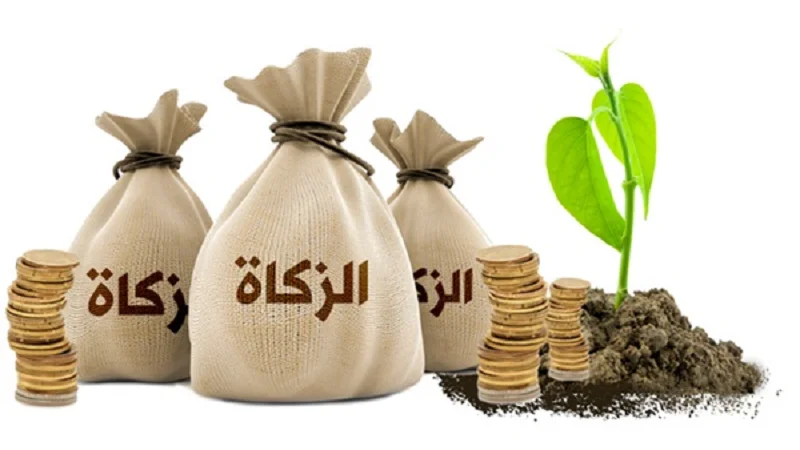
Say you have 1,000 riyals in savings that you do not need for daily expenses, your total wealth meets the nisab, and a full lunar year has passed. Here is the math:
| Item | Value |
|---|---|
| Amount subject to zakat | 1,000 riyals |
| Zakat rate | 2.5% (0.025) |
| Calculation | 1,000 × 0.025 |
| Zakat due | 25 riyals |
The same formula works in dollars or any other currency: multiply your zakatable total by 0.025.
When Is Zakat Due?
The deadline depends on which kind of zakat you are paying. Zakat on wealth follows the lunar year, while Zakat al-Fitr is tied to the end of Ramadan.
Zakat on Cash, Gold, Silver and Trade Goods
- It becomes due once wealth above the nisab, and beyond your basic needs, has been held for a full Hijri year.
- You may pay early if doing so serves the recipients better.
- Delaying it without a valid Islamic reason is not allowed. Anyone who has done so should repent and pay right away.
Zakat al-Fitr
- It becomes due at sunset on the last day of Ramadan. The best time to give it is the morning of Eid, after Fajr and before the Eid prayer, so that no one in need has to ask on the day of celebration.
- Giving it one or two days before Eid is permitted.
- Holding it back past the Eid prayer without an excuse is not allowed, and a late payment must still be made up.
The Zakat al-Fitr amount is set each year, and Elvefa announces it at the start of Ramadan through its Zakat al-Fitr campaign.
Can You Pay Zakat in Installments?
Yes. Spreading zakat over several payments is permissible when it genuinely helps the recipient, for example by meeting their needs month by month. Keep these guidelines in mind:
- Paying ahead of the due date: installments made in advance are fine when they benefit the poor, such as starting in Rajab and Sha'ban so families are supported before Ramadan.
- Paying after the due date: if you split it into monthly payments after the year is complete, make sure the full amount reaches the recipients before your next zakat year begins.
- Protecting the recipient: installments are also acceptable when the goal is to help a family use the money wisely over time instead of all at once.
Paying Promptly, and When Delay Is Allowed
The default ruling is that zakat must be paid as soon as it falls due. Someone who postpones it without a legitimate reason is sinful and remains liable for that amount until it is paid. Scholars did, however, allow a delay in a few situations:
- The money is not actually available at the due date, so payment waits until it is.
- There is a real fear of harm to oneself or one's property, or of the collector taking it more than once.
- There is a sound reason to wait, such as poorer, more deserving people in another country.
Common Mistakes to Avoid
- Counting money that has not yet completed a lunar year, or forgetting savings spread across several accounts.
- Using a fixed dollar nisab from a past year instead of checking today's gold price.
- Giving money without the intention of zakat and then trying to count it as zakat afterward.
- Putting zakat off year after year until it piles up as a debt owed to Allah.
What Zakat Does for You and for Society
For the giver, zakat clears the heart of stinginess and greed and builds a generous character. Its reward is multiplied for those who give sincerely, it wipes away sins, it brings growth and blessing to wealth, and it is one of the paths that lead to Paradise.
For the community, it spreads affection between people, puts social solidarity into practice, pushes back poverty, reminds the well-off of their duty toward the less fortunate, and draws rich and poor closer together, improving social and economic life for everyone.
Frequently Asked Questions
What is the quickest way to describe how zakat is paid?
Once your wealth reaches the nisab and a full Hijri year has passed, make your intention for Allah and give 2.5% of it to eligible recipients, either directly or through a trusted organization.
What is the minimum wealth that makes zakat due?
Wealth equal in value to 85 grams of gold. When it has been held for a complete lunar year, 2.5% of the total is owed.
Is the nisab different in Morocco, the US or elsewhere?
No. The nisab is the same everywhere: 85 grams of gold or 595 grams of silver. Only its value in local currency changes, following the gold price.
Do I pay zakat on the same money every year?
Yes. As long as the money remains above the nisab and another lunar year passes over it, zakat is due on it again.
Give Your Zakat With Confidence
Paying zakat is straightforward once you know the nisab, the lunar year rule and the 2.5% rate, and you go in with a sincere intention. Calculate what you owe, then give it on time. Through Elvefa's Zakat campaign, your zakat reaches displaced families, refugees and orphans. Elvefa is a registered 501(c)(3) nonprofit, so your donation is tax-deductible.