

Sadaqah Jariyah: Why It Matters and Its Main Types
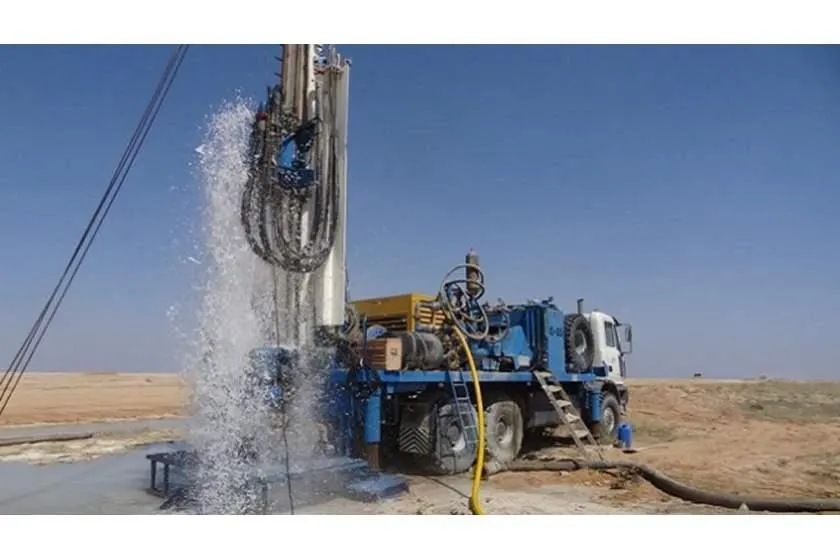

Table of Contents
Sadaqah jariyah is charity whose benefit keeps going long after you give it, like a water well, a masjid, a school or a fruit tree, so its reward continues for as long as people benefit, even after you pass away. That is why it ranks among the greatest acts of devotion in Islam: it is an investment in good that never stops paying out, and a lasting mark on the lives of others and on society as a whole.
What Makes Sadaqah Jariyah So Special?
The key difference between ongoing charity and other giving is continuity. With ordinary charity, the reward usually ends when its immediate benefit ends. With sadaqah jariyah, good deeds keep flowing for as long as the benefit lasts. The Prophet Muhammad (peace be upon him) encouraged it in many hadith, most famously:
"When a person dies, all their deeds cease except for three: ongoing charity, knowledge from which others benefit, or a righteous child who prays for them."
This hadith shows that ongoing charity is one of the very few deeds whose reward is not cut off by death. That's why Muslims seek it for themselves and also give it as a gift on behalf of loved ones who have passed.
The Fruits of Ongoing Charity
For the giver
- Allah's pleasure and a good end: charity extinguishes the wrath of the Lord and wards off a bad death.
- Blessing in wealth: rather than reducing your money, charity brings it growth and barakah, as Allah has promised.
- Shade on the Day of Judgment: it will shade its giver on a day when there is no shade but His.
- Sins forgiven: charity helps purify the soul of wrongdoing.
- Benefit for the deceased: its reward reaches loved ones on whose behalf you give, becoming light and mercy for them. Learn more in our article on sadaqah on behalf of the deceased.
For the community
- Social solidarity: it meets the needs of the poor and strengthens bonds of care and cooperation.
- Development: sustainable projects provide essentials like education, healthcare and shelter.
- Knowledge that spreads: when it supports beneficial knowledge, its impact reaches across generations.
Forms of Sadaqah Jariyah
Any good deed whose benefit continues falls under this broad category. The main forms can be grouped like this:
| Area | Examples | Why the reward continues |
|---|---|---|
| Water | Digging wells, desalination plants, public water coolers, water connections for homes in need | One of the best forms of charity, used every single day |
| Worship | Building masjids and places of worship | Prayer, remembrance and religious learning continue there as long as it stands |
| Education | Building schools, sponsoring students, endowing copies of the Qur'an and useful books | Generation after generation learns from it |
| Health | Building hospitals and health centers | Relieves patients' pain for years |
| Agriculture | Planting fruit trees | Every time a person, animal or bird eats from it, the giver is rewarded |
| Care | Sponsoring orphans, building shelters and senior care homes | Provides shelter and support until those cared for can stand on their own |
| Empowerment | Charitable endowments (waqf), small businesses for families in need | Lasting income that frees families from having to ask |
A waqf in particular means setting aside a lasting asset, such as a property or a farm, whose income is spent on good causes permanently.
How to Choose Your Sadaqah Jariyah
- Start with the greatest need. Water, food and shelter are top priorities in camps and areas of displacement.
- Think long term. A well, masjid or school serves people for years, and a fruit tree gives season after season.
- Don't wait for a large sum. You can take a share in a group project; Allah blesses even a little when the intention is sincere.
- Pick an organization that follows up. A project only keeps giving if someone keeps it running after it's built.
Ongoing Charity Projects You Can Support with Elvefa
Elvefa runs sustainable projects for displaced families and orphans, including well drilling, building and renovating masjids and planting fruit trees, along with building schools and sponsoring orphans.
Frequently Asked Questions
Do I need a large amount to give sadaqah jariyah?
No. Its doors are wide open, and every Muslim can contribute whatever they're able to, even a small amount.
Can I give sadaqah jariyah for someone who has passed away?
Yes, and its reward reaches them, God willing, as light and mercy.
What is the best type of sadaqah jariyah?
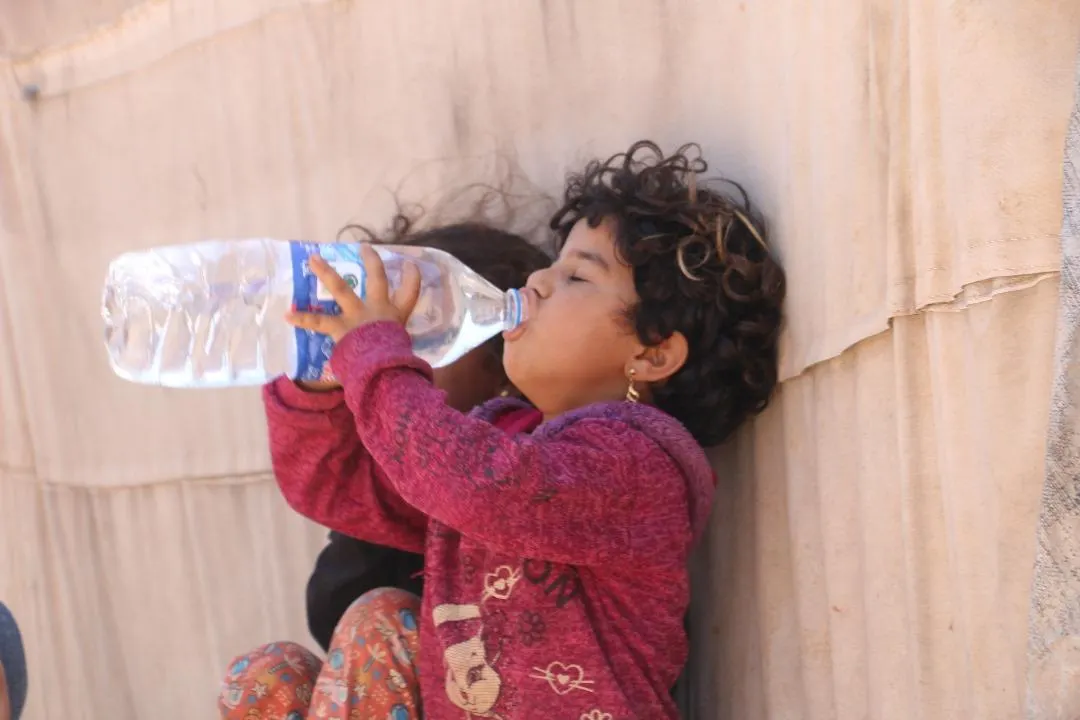
Providing water is considered one of the best forms of charity, and it's wise to choose a project based on what the people it serves need most.
Leave a Legacy That Lasts
Sadaqah jariyah is more than a donation; it's a long-term vision of doing good that leaves a legacy after the body is gone, a testament to sincere faith and to serving Allah's creation. Elvefa is a 501(c)(3) nonprofit, so your gift is tax-deductible. Start with what quenches thirst: help build a well with Elvefa.