

Sadaqah Jariyah for Deceased Parents: A Step-by-Step Guide

To do sadaqah jariyah for deceased parents, you fund something that keeps benefiting people over time, such as a well, a mosque, a school or a waqf, with the intention that its reward goes to your mother or father. As long as people keep using it, the reward keeps reaching them. It is one of the most meaningful ways a child can keep honoring parents after they are gone.
Table of Content
Death closes the chapter of this worldly life, and with the last breath a person loses the ability to add to their good deeds. Anyone who has lost a parent knows the ache of wanting to do something more for them. Islam answers that ache with mercy: death is not a sealed wall. The living can still send good to the departed, and the record of the deceased can keep receiving reward.
That is where sadaqah jariyah, ongoing or "flowing" charity, comes in. It is an investment in the Hereafter, a lasting mark of good, and a stream of reward that does not dry up. This guide explains the basis for it in the Sunnah, what it does for the deceased and for you, practical project ideas, and a simple step-by-step plan for doing it on behalf of your parents.
What Makes Charity "Jariyah"?
All charity is good, but sadaqah jariyah has one defining feature: it keeps going. A meal is eaten once and it is gone. A well, a classroom or a planted orchard keeps delivering benefit year after year, and every time it does, the reward is renewed for the person it was given for.
The Hadith Behind It
On the authority of Abu Hurairah (may Allah be pleased with him), the Messenger of Allah (ﷺ) said: "When a man dies, his deeds come to an end except for three things: Sadaqa Jariya (a ceaseless charity); a knowledge which is beneficial, or a virtuous descendant who prays for him." (Narrated by Muslim)
Three Lessons From This Hadith
- Allah's mercy is vast. He did not make death the absolute end of a person's reward.
- Long-term impact matters. Islam gives special weight to deeds with lasting effects, which encourages us to think strategically about how we give.
- Generations are connected. By mentioning the "virtuous descendant," the hadith shows that raising righteous children is itself a kind of ongoing charity.
How Sadaqah Jariyah Helps Your Parents After Death
Once in the grave, a person needs anything that will add weight to their scale of good deeds and ease their loneliness. Sadaqah jariyah is one of the most precious gifts you can send them.
A Reward That Keeps Renewing
Your parents can no longer add to their deeds, but the charity works as their proxy in this world. Every time a person or animal drinks from the well or a worshipper prays in the masjid, new reward is written in their record.
Light and Comfort in the Barzakh
The Prophet (ﷺ) told us the grave is either a garden from the gardens of Paradise or a pit from the pits of Hell, and good deeds are what make it a garden. It is hoped that the effect of charity reaches the grave of the one it is given for, becoming a light in its darkness, a companion in its loneliness, and space in its narrowness.
Keeping Their Good Name Alive
Setting up a charity in your parent's name is living proof that they were loved and that their influence was good. It honors their memory not only with tears but with something constructive that ties their name to blessing and benefit.
Honoring Them After They Are Gone
Whether or not they asked for it in a will, giving on their behalf is among the highest forms of birr (devotion to parents). When the Prophet (ﷺ) was asked about honoring parents after their death, he said: "Yes, praying for them, asking for forgiveness for them, fulfilling their pledges after them, maintaining the ties of kinship that cannot be maintained except through them, and honoring their friends." Charity on their behalf falls squarely within this.
What You Gain as the Giver
| Benefit | What it means |
|---|---|
| The reward of birr and loyalty | Spending for your parents shows love that death did not cut off, and that pleases Allah |
| Your own charity reward | You earn twice: for honoring your parent and for the charity itself |
| A closer family | Siblings and relatives working on one project in a parent's name are united around a shared goal |
| A lesson for your kids | Children who watch you give for their grandparents learn generosity and devotion by example |
Sadaqah Jariyah Ideas for Deceased Parents
There is a form of ongoing charity for every budget. What matters is that the benefit lasts.
Water: The Best Charity
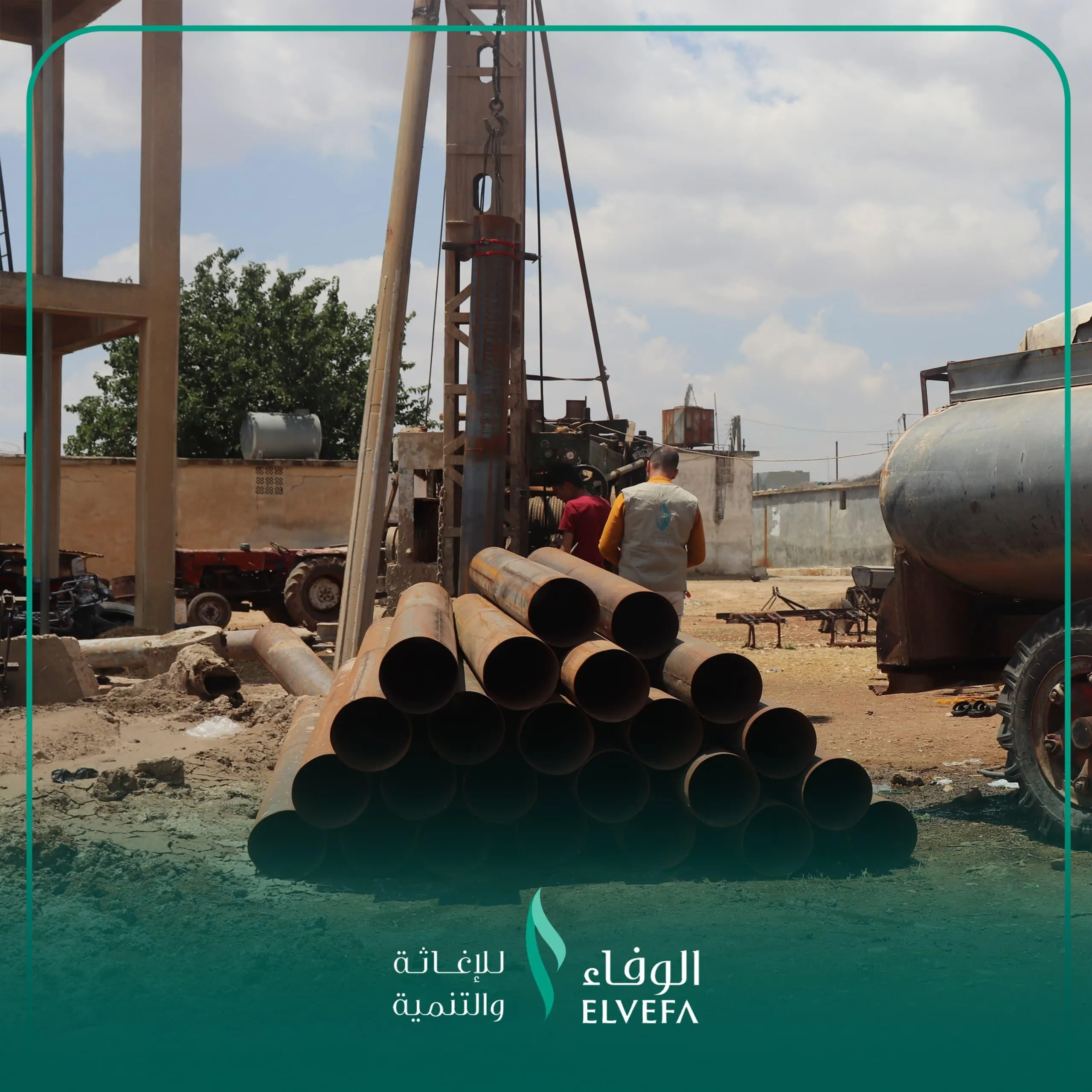
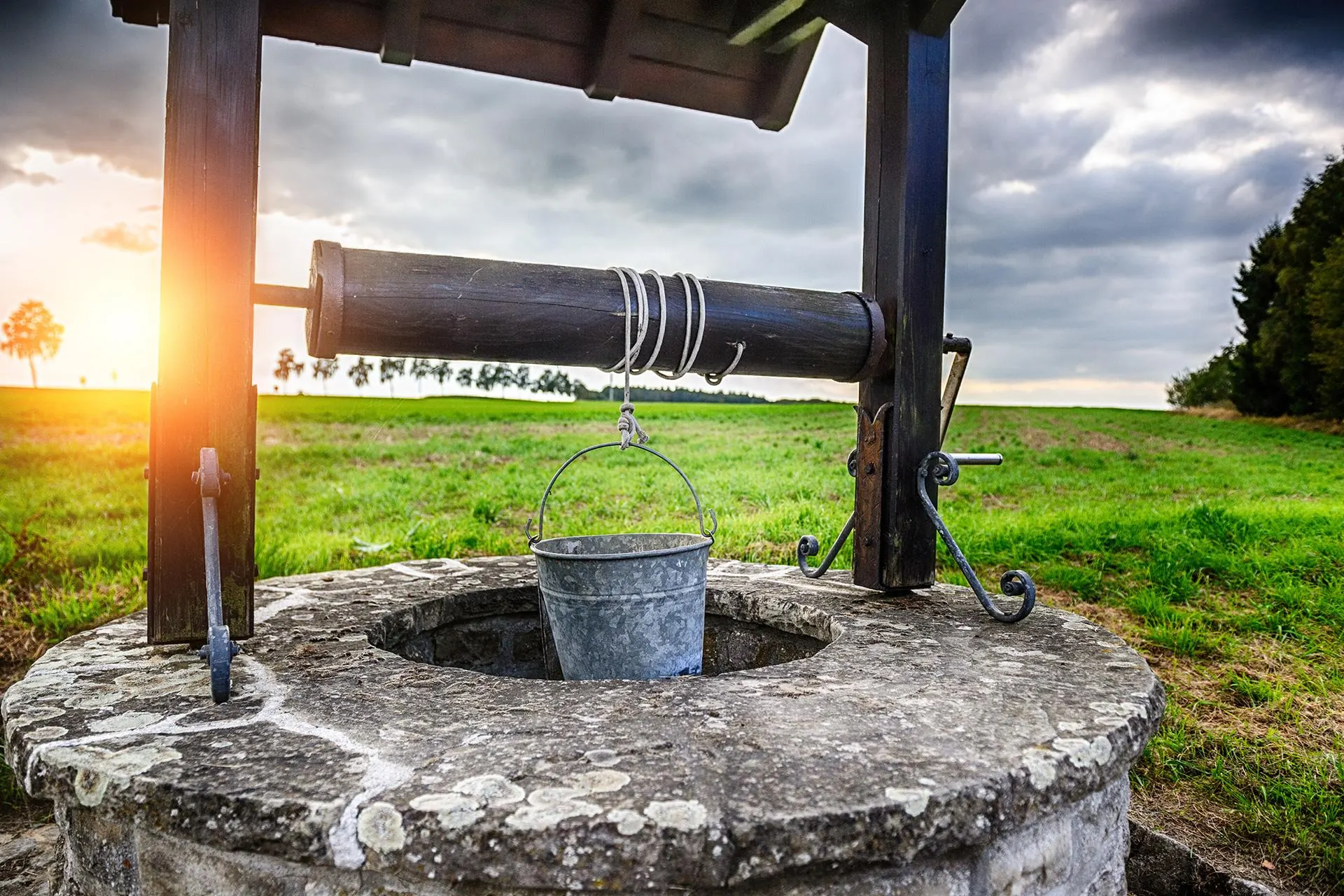
When the Prophet (ﷺ) was asked about the best charity, he said: "Providing water." Options include drilling wells or installing water pumps where they are needed, placing water coolers in mosques and markets, and building irrigation systems for farmers. Elvefa's well drilling project makes this easy to do in a parent's name.
Knowledge and Education
- Build a school or a classroom, for example through Elvefa's education and school-building projects.
- Print and distribute copies of the Quran and other beneficial books, or set up a public or endowed library.
- Sponsor a student devoted to beneficial knowledge.
- Fund a digital project, such as a free learning platform or a useful app.
Buildings and Care
- Build a mosque or help maintain one through the mosque building and renovation campaign.
- Build a hospital or clinic, or donate medical equipment.
- Establish an orphanage or a home for the elderly.
- Plant fruit trees: there is reward for every creature that eats from them or rests in their shade.
Waqf (Islamic Endowment)
A waqf is the most complete and durable form of sadaqah jariyah. It means setting aside a fixed asset, such as a property or a sum of money, and permanently directing its income to charitable causes.
How to Do Sadaqah Jariyah for Your Parents: Step by Step
- Make your intention. Keep it sincere for Allah, and name the parent the charity is for.
- Pick a cause. Choose something your parent cared about, or wherever the need is greatest: water, education, a masjid, or care for orphans and the elderly.
- Bring the family in. Brothers, sisters and relatives can pool what each can afford into one project.
- Choose a trustworthy organization. Make sure the project meets a real, ongoing need and that the organization reports back on how it was carried out.
- Keep making du'a. Follow your charity with regular prayers and istighfar for your parent.
Etiquette That Protects Your Reward
- Sincerity (ikhlas): give for Allah and for the benefit of the deceased, not for praise or reputation.
- Halal money: Allah is pure and accepts only what is pure.
- Real benefit: fund something that meets a genuine, continuing need.
- No reminders or boasting: bringing up the favor or causing hurt can cancel the reward.
Frequently Asked Questions
Does the reward of sadaqah jariyah reach a deceased parent?
Yes. The Prophet (ﷺ) named ongoing charity among the deeds whose reward does not stop at death, and giving on behalf of parents is part of honoring them after they pass.
What is the best sadaqah jariyah for a deceased parent?
Water projects are among the best, since the Prophet (ﷺ) called providing water the best charity. Any project with lasting benefit, such as a mosque, a school or a waqf, is also excellent.
Does my parent need to have requested it in their will?
No. Giving on their behalf is an act of devotion whether or not they asked for it.
Do I get reward too?
Yes. You are rewarded for honoring your parent and for the charity itself.
Turning Love Into a Lasting Legacy
Sadaqah jariyah is a message from the living to the dead: "We have not forgotten you, and our prayers come with action." Let your grief become a source of good that lasts. Start today by funding a well in your parent's name with Elvefa, so displaced families get clean water and your parent keeps receiving reward. Elvefa is a registered 501(c)(3) nonprofit, so your gift is tax-deductible.