

Helping People with Disabilities: Their Rights and How to Donate
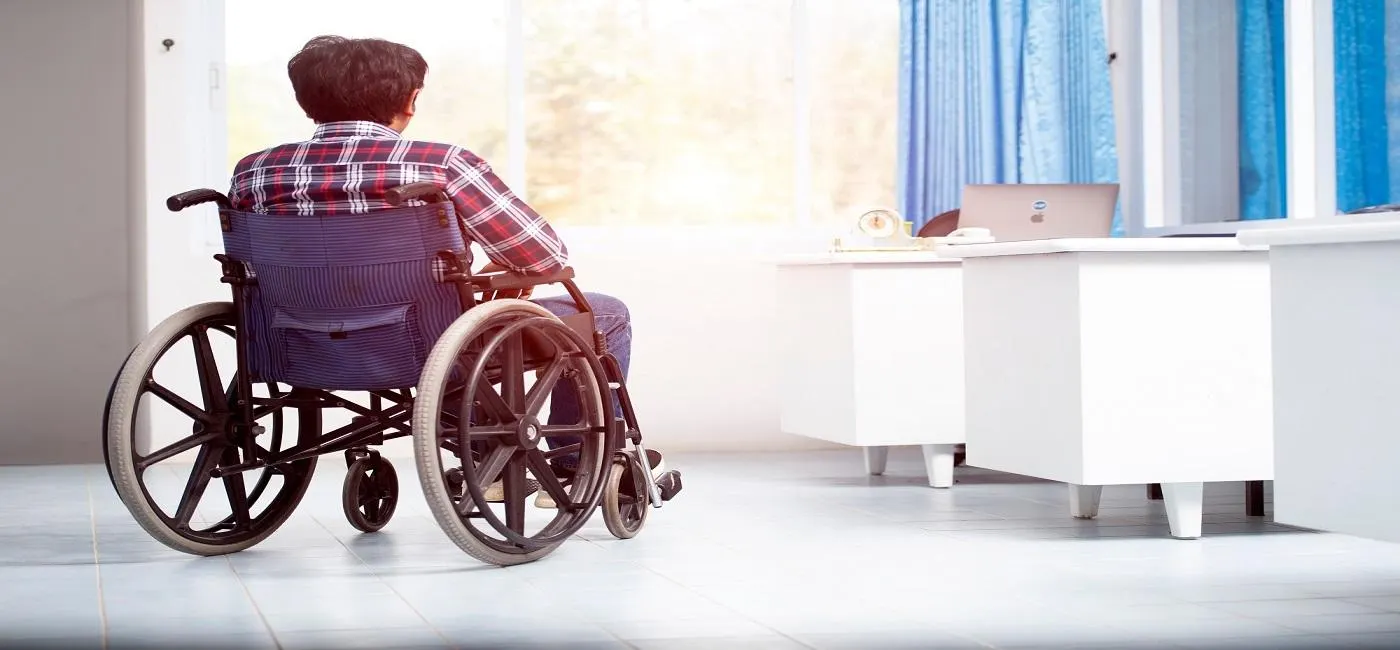

Helping and donating to people with disabilities means giving them what they need to live independently and with dignity: medical treatment and care, assistive devices such as wheelchairs, prosthetic limbs and hearing aids, suitable education, a chance to work, and a community that respects them rather than mocking them. Islam made caring for people of determination both a human and a religious duty, forbade ridiculing them, and treats disability as a test of patience that brings reward to the person and to those who stand by them.
In this article we look at the rights of people with disabilities in Islam, the scale of need in war-affected regions, the most common types of disability, the barriers people face at school, at work and in healthcare, and practical ways to support children, adults and seniors with disabilities through Elvefa.
Table of Contents
What Rights Does Islam Give People with Disabilities?
Islam guarantees people with special needs rights that protect their dignity and make daily life easier. The main ones are:
- Healthcare: treatment and physical rehabilitation through institutions that specialize in their care.
- Education: carefully designed teaching methods and teachers trained to meet their needs.
- Respect and inclusion: living as full members of society, free from bullying and discrimination.
- Mobility: access to transportation and public facilities that have been properly equipped.
- Work and income: employment suited to their abilities, along with enough financial support from the responsible authorities to ensure a decent life.
- Ease in worship: concessions in acts that demand significant physical effort, such as prayer and Hajj.
These rights aren't a favor anyone grants; they are a shared responsibility of families, communities, institutions and donors. When one of those pillars is missing, as it so often is in camps and displacement zones, the donor's role becomes larger and the impact far more visible, because it fills a gap no one else is filling.
The Scale of Need in War and Disaster Zones
War, earthquakes and other disasters drive a sharp rise in disability, while the means to rehabilitate or compensate people almost disappear. Humanitarian reports show that in some conflict areas more than a quarter of the population lives with a disability, and millions of people have lost limbs or lack the devices they need to move around.
Elvefa works with displaced communities, where many displaced households include a family member with a disability who needs ongoing care, often in housing and transport conditions that turn the simplest daily tasks into a struggle.
The Most Common Types of Disability
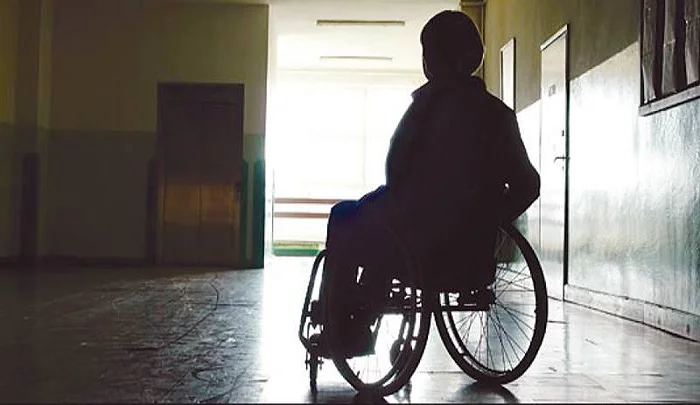
- Physical: paralysis, limb loss, muscular atrophy and spinal cord injuries, all of which seriously affect mobility.
- Sensory: hearing loss and deafness, and visual impairment and blindness.
- Intellectual: such as Down syndrome and delayed cognitive development.
- Developmental and learning: such as autism and difficulties with speech, articulation and learning.
- Psychological: conditions that affect behavior and social interaction, such as depression, schizophrenia and severe anxiety.
- Invisible and multiple: for example, combined mobility and visual impairments, or conditions you can't see, like kidney, heart and autoimmune diseases.
Barriers People Face Every Day
At school
- No ramps or accessible facilities, which makes getting around difficult.
- Curricula that aren't adapted, and too few teachers trained in different disabilities.
- Bullying and teasing by classmates, leading to isolation and gradual withdrawal.
- Administrative hurdles with enrollment and transportation, and no psychological follow-up.
In the workplace
- Spaces that aren't equipped for every kind of disability, and missing tools for people with visual or hearing impairments.
- Stress and a sense of discrimination in unsupportive environments, with added challenges for women, including fear of harassment.
- Barriers to hiring and promotion because of doubts about their abilities, and few training or rehabilitation opportunities.
- Little awareness of how to work respectfully alongside colleagues with disabilities.
In healthcare
- Clinics and hospitals that aren't accessible, and staff who aren't trained to handle every type of disability.
- High treatment costs amid widespread poverty, and shortages of the medical equipment they need.
- Poor communication between doctor and patient, which hurts the accuracy of diagnosis, plus discrimination or neglect from some caregivers.
- Health problems that can accompany disability, such as obesity, heart disease, dental issues and diabetes.
Getting assistive devices
Many people simply can't afford a wheelchair or modern device. Few providers offer them, and refugee areas in particular face restrictions. Some people end up with equipment that doesn't fit their disability, or wait a long time because their needs are poorly understood.

What Your Donation Changes: A Real-Life Picture
Picture a young man who lost his leg in the war and now lives with his family in a camp. A well-fitted prosthetic limb followed by rehabilitation sessions means he can walk again, and perhaps return to work and support his family. A little girl with hearing loss could see her entire school life transformed by a single hearing aid. These relatively simple tools open doors that have stayed shut for years.
Support Beyond Money: Showing Respect
Real support starts with how we treat people day to day. A few simple principles go a long way:
- Ask before you help. Many people prefer to do things themselves, so offer help rather than imposing it.
- Speak to the person directly, not to whoever is with them as if they weren't there.
- Choose your words carefully. Avoid hurtful terms or jokes about disability; Islam forbids mocking people.
- Make spaces accessible. At the masjid, school or office, a ramp or a nearby seat can be all it takes to make participation possible.
- Include children. Encourage your kids to play with and accept peers who have disabilities; it stops bullying before it starts.
Before You Give: Three Questions to Ask
- What is the most urgent need? An assistive device is often the first step everything else builds on.
- Does the device fit the person? Choose an organization that assesses each case and matches equipment to the disability and the person's age.
- Is there follow-up? A prosthetic limb needs rehabilitation and maintenance, and a hearing aid needs adjusting, so follow-up is part of what your gift is worth.
Ways to Give Through Elvefa
For children
Help cover treatment and medical equipment for children with disabilities through a monthly or annual sponsorship, by funding a specific device, or by covering the costs of an urgent case.
For adults
Your gift supports adults financially, emotionally and through rehabilitation, including:
- Medical devices such as wheelchairs, prosthetic limbs and hearing aids.
- Suitable transportation.
- Healthcare.
- Training and rehabilitation courses that help them work.
For seniors
Help reaches elderly people with disabilities as cash, as medical devices and transportation that secure their care, as in-kind gifts such as clothing, or by providing a caregiver who keeps them company and meets their needs. You can also support elderly care homes.
Frequently Asked Questions
What does "people of determination" mean?
It's a term for people with physical, intellectual, sensory or psychological disabilities, used as a mark of respect and encouragement that focuses on their strengths rather than their limitations.
How can I help someone with a disability?
By providing medical devices like wheelchairs and hearing aids, healthcare and psychological support, or financial help, and above all by respecting them and including them in everyday life.
Who is included among people of determination?
People with intellectual, physical, mobility, hearing and visual disabilities, autism, communication and learning difficulties, and attention deficit and hyperactivity.
Can I give sadaqah or zakat to people with disabilities?
Charity to them is among the greatest forms of good, and they are eligible for zakat when they are poor or in need, which is the case for many displaced families.
Conclusion
People with disabilities don't need pity so much as the tools and opportunities that restore their independence. A wheelchair, a prosthetic limb or a hearing aid can change someone's whole life. Elvefa is a 501(c)(3) nonprofit, so your donation is tax-deductible. Donate to people of determination with Elvefa.