

Aqiqah in Islam: Ruling, Requirements, Timing and Udhiyah Differences
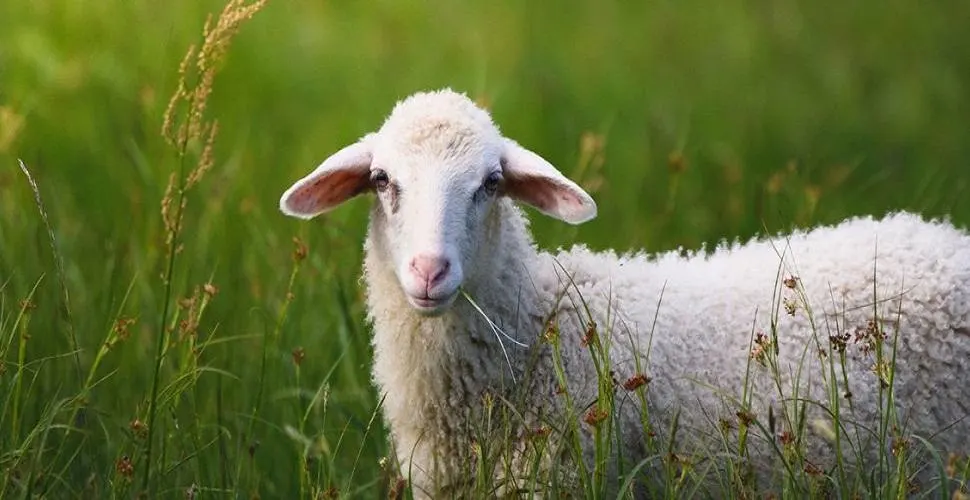

Aqiqah is a confirmed Sunnah in which parents sacrifice an animal to thank Allah for a newborn, ideally on the seventh day after birth: two sheep for a boy and one for a girl. This guide walks you through the rulings on aqiqah in plain terms, including the evidence behind it, which animals qualify, when to slaughter, how it differs from udhiyah, and a simple checklist so you can get it right.
Table of Contents
What Aqiqah Means
Aqiqah is the name given to the animal sacrificed to celebrate the arrival of a baby, whether a son or a daughter. Only livestock count: sheep, goats, cattle, and camels. The common practice is two sheep for a boy and one for a girl, although some scholars hold that a single sheep is also acceptable for a boy.
It is a financial act of worship that brings the family closer to Allah. By offering it, parents revive the Sunnah of the Prophet (peace be upon him) and recall the story of Prophet Ibrahim (Abraham), peace be upon him, whose son Ismail was ransomed. Families also hope that Allah will protect and bless the child through it.
Is Aqiqah Required?
The accepted view is that aqiqah is a confirmed Sunnah. It carries a great reward, but a parent who skips it does not commit a sin. The evidence is the Prophet's statement: “With the boy there is an aqiqah, so shed blood for him and remove harm from him.” Scholars describe it as a ransom for the newborn, a way of thanking Allah for children, and a source of blessing and provision.
Why Muslims Offer Aqiqah
Scholars mention several purposes behind this practice:
- Following the Sunnah: it keeps the Prophet's practice alive and echoes the ransom of Ismail.
- Gratitude and joy: it is a tangible way to say thank you to Allah for the gift of a child.
- Releasing the pledge: the Prophet said: “Every child is held in pledge by his aqiqah.”
- Protection: parents hope Allah will shield the baby from harm through it.
- Community care: feeding relatives, neighbors, and people in need builds love and mutual support.
- Intercession: some scholars consider it a reason the child may intercede for the parents.
Requirements for the Aqiqah Animal
To make sure your aqiqah is valid, check the following points:
- Type: it must be livestock (sheep, goat, cow, or camel). Chicken or other birds do not count.
- Health: the animal should have no obvious defect, so it must not be sick, blind in one eye, have a broken limb, or be severely emaciated.
- Age: it must reach the minimum age for its species (see the table below).
- Intention: the sacrifice is made with the intention of aqiqah for the newborn.
- Number: one sheep for a girl and two for a boy.
- Timing: it is slaughtered on the seventh, fourteenth, or twenty-first day.
| Animal | Minimum age |
|---|---|
| Sheep | Six full months |
| Goat | One full year |
| Cattle | Two full years |
| Camel | Five full years |
When Should the Aqiqah Be Done?
The preferred day is the seventh day after birth, based on the hadith: “The aqiqah is slaughtered on the seventh, or the fourteenth, or the twenty-first.”
Life does not always cooperate. If parents miss these days because of hardship or any other reason, they can still offer the aqiqah later, even many years after the child was born.
Aqiqah vs. Udhiyah at a Glance
People often confuse the two sacrifices. Here is how they compare:
| Point of comparison | Aqiqah | Udhiyah |
|---|---|---|
| Reason | Thanking Allah for a child | A rite that deepens the bond with Allah and gives thanks for life |
| Timing | Day 7, 14, or 21 after birth | After the Eid al-Adha prayer until sunset on the last day of Tashreeq |
| Amount and sharing | Two sheep for a boy, one for a girl; it is Sunnah to cook it and invite people to eat | One sheep per person or a cow; shared with the poor, relatives, and the household |
| Hair and nails | No recommendation to refrain from trimming | Recommended not to trim them once the month of Dhul-Hijjah begins |
| Combining | Allowed if the aqiqah falls on the days of Eid | Allowed if the aqiqah falls on the days of Eid |
A Simple Aqiqah Checklist
- Decide how many animals you need based on the baby's gender and your budget.
- Choose a healthy animal that meets the minimum age.
- Make the intention that this is the aqiqah for your child, by name.
- Schedule the slaughter for day seven if you can, otherwise day fourteen or twenty-one.
- Share the meat, raw or cooked, with family and neighbors, and set aside a portion for the poor.
Common Mistakes to Avoid
- Picking an animal that is too young or has a visible defect.
- Assuming the aqiqah no longer applies once day seven has passed. It can still be done later.
- Putting it off for no reason when you can afford it. Doing it on time is better.
Turning Your Aqiqah Into Charity
One of the most meaningful choices you can make is to let your aqiqah feed families who rarely have meat on the table. You have a few options:
- Slaughter it yourself and hand the meat directly to needy people in your area.
- Ask Elvefa to carry out the sacrifice and distribution for you, serving displaced families and orphans.
- Support ongoing relief programs such as food baskets or livestock for poor families.
Either way, you earn the reward of the Sunnah and of feeding those who need it most. For more ideas, see our guide to ways of giving sadaqah in Islam.
Aqiqah FAQ
Do parents have to perform aqiqah?
No. It is a confirmed Sunnah and a way of thanking Allah for the baby, not an obligation. There is no sin in leaving it.
My child is already several years old. Can I still do the aqiqah?
Yes. It is permissible to offer it whenever you are able, even years later, although the seventh day remains the best time.
Can one animal count for both aqiqah and udhiyah?
The Hanbali and Hanafi schools allow combining them, as long as neither was made obligatory by a vow. If you can afford it, offering each one separately is better.
Can I give all of the aqiqah meat to charity?
Yes. Giving all or part of it to the poor and needy is one of the best ways to distribute it, and the meat may be given raw or cooked.
The Bottom Line
Aqiqah is a beautiful Sunnah: it thanks Allah, ransoms the newborn, and feeds people. Pick a healthy animal of the right age, slaughter it on the seventh day if possible, and make sure the needy get a share. If you would like your aqiqah to reach displaced families, give through Elvefa's livestock for poor families project. Elvefa is a registered 501(c)(3) nonprofit, so your donation is tax-deductible.