

How Much Is Zakat al-Fitr? Per-Person Amount and Timing
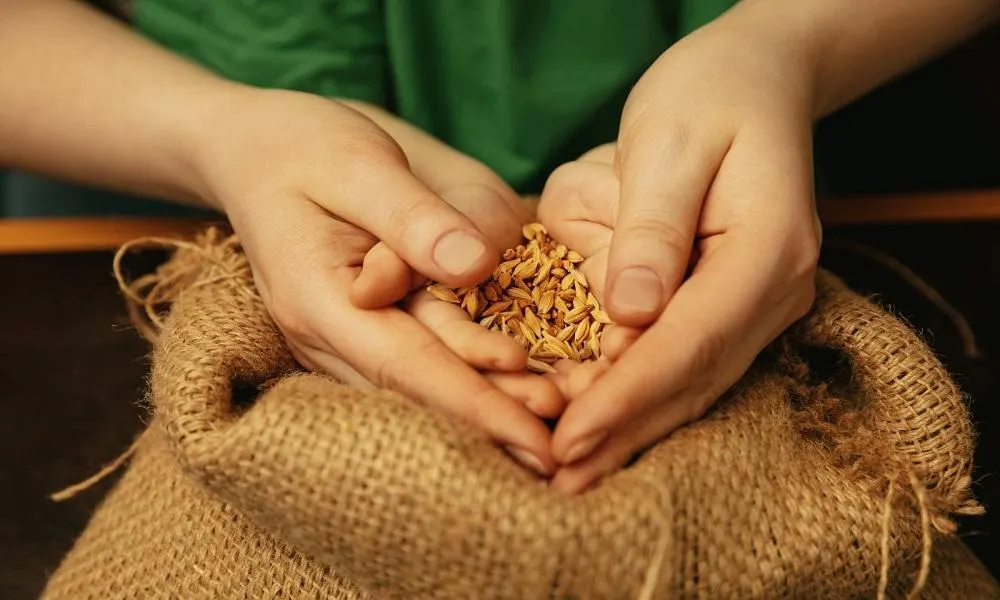

Zakat al-Fitr is one sa' per person of the staple food people normally eat where you live, such as wheat, rice, dates or raisins. One sa' works out to roughly 2.5–3 kg. You pay it for yourself and for everyone you support, and it has to reach the poor before the Eid prayer.
Work out your zakat: use our Zakat Calculator to find today’s nisab and the zakat due on your cash, gold and shares in a minute.
This guide walks you through how to work out the amount for your household, the window for paying it, who can receive it, how it differs from zakat on wealth, and how to give it through Elvefa for Ramadan 1448 AH (2027).
Table of Contents
What Exactly Is One Sa'?
The sa' is a measure of volume used at the time of the Prophet (peace be upon him), equal to four of his mudd (double handfuls). Converted to weight, scholars estimate it at about 2.5 to 3 kg, depending on the food. Any staple your community lives on counts: wheat, rice, dates, raisins and the like.
The basis is the report of Ibn Umar (may Allah be pleased with them), who said: "The Messenger of Allah (peace be upon him) obligated Zakat al-Fitr from Ramadan, one Sa’ of dates or one Sa’ of barley."
Is Zakat al-Fitr Required or Optional?
It is required. Zakat al-Fitr is not a voluntary Sunnah act; it is an obligation on every Muslim, male or female, child or adult. Unlike zakat on wealth, you don't need to own the nisab. The only condition is having more than you and your dependents need for the day and night of Eid.
Where the Four Schools Stand
- Maliki, Shafi'i and Hanbali: it is obligatory and should be given as food.
- Hanafi: it is obligatory (wajib in their terminology), and paying its value in cash is permitted when that serves the poor person better on Eid.
Who Has to Pay: A Quick Checklist
- You are Muslim.
- You have food and means beyond what your household needs for Eid day and the night before.
- The obligation begins at sunset on the last day of Ramadan.
To count, it must go to eligible recipients, not to people you are already obligated to support.

When Should You Pay It?
- Early (permitted): one or two days before Eid. Giving during the last ten nights of Ramadan is also allowed, which gives charities time to buy and deliver food.
- Obligation begins: at sunset on the final day of Ramadan.
- Best time: from dawn on Eid morning until just before the Eid prayer.
Holding it back until after the prayer without a valid reason is not allowed; at that point it only counts as ordinary charity. A genuine excuse is accepted. Skipping it altogether is sinful, and it stays on you as a debt that should be paid right away.
Ramadan 1448 AH is expected astronomically to begin around February 8, 2027, confirmed by moon sighting, so plan your Eid giving around that.
How to Calculate It for Your Family
The math is simple: one sa' per person, multiplied by the number of people you pay for.
- If rice is the local staple, each person's share is about 2.5 kg of rice.
- If you follow the view that allows cash, the amount depends on what one sa' of food costs in the country where it is given.
- For a household, multiply the per-person amount by the number of family members.
Worked Example
A family of five (two parents, three kids) whose staple is rice owes five sa', or roughly 12.5–15 kg of rice. If they give through a charity in cash, they simply multiply the announced per-person amount by five.
Why We Don't Quote a Fixed Dollar Figure
The cash value of a sa' shifts from year to year and from country to country as food prices move. Elvefa sets the amount each year and announces it at the start of Ramadan on the Zakat al-Fitr campaign page, so you can pay the current figure without guessing.
Who Can Receive Zakat al-Fitr
The main recipients are poor and needy Muslims, so they can celebrate Eid without having to ask anyone for help. Poor relatives and neighbors qualify too, and they are a great place to start. If there are no poor or needy people available, it may go to the other categories of zakat named in the Qur'an, though keeping it with the poor is preferred.
It should not go to:
- People you are already required to support, such as your spouse, children or parents.
- Wealthy or financially comfortable people.
- Non-Muslims.
Zakat al-Fitr vs. Zakat on Wealth
| Zakat al-Fitr | Zakat on Wealth | |
|---|---|---|
| Why it is due | A per-person charity tied to completing the Ramadan fast | Due on wealth once it reaches the nisab |
| Who pays | Every Muslim, any age or gender, with more than a day's needs | Adult, sane Muslims who own the nisab |
| When | Before the Eid prayer; no delay | After a full lunar year on the nisab |
| How much | One sa' of staple food (about 2.5–3 kg) | One-fortieth (2.5%) of the total value |
| Who receives it | Mainly the poor and needy | The eight categories: the poor, the needy, zakat workers, those whose hearts are to be reconciled, freeing captives, debtors, in the cause of Allah, and stranded travelers |
If you also owe zakat on your savings, try the Zakat Calculator; the cash nisab changes with the price of gold.
Common Mistakes to Avoid
- Forgetting to count children or another dependent.
- Waiting until after the Eid prayer, which turns it into regular sadaqah.
- Giving it to a parent or child you already support.
- Using last year's cash amount instead of this year's announced figure.
Giving Zakat al-Fitr Through Elvefa
- Count everyone you are paying for.
- Visit the Zakat al-Fitr page and check the 1448 AH amount once it is announced at the start of Ramadan.
- Give early enough before Eid for our team to purchase food.
- Elvefa's field teams deliver it to displaced and struggling families before the Eid prayer.
Frequently Asked Questions
How much is Zakat al-Fitr per person?
One sa' of the local staple food, such as wheat, rice or dates, which is about 2.5 to 3 kg.
Can I pay Zakat al-Fitr in cash?
The majority of scholars say it should be paid as food. The Hanafi school and those who agree with it allow cash when it is more useful to the poor and keeps them from having to ask on Eid.
Can I pay during the last ten days of Ramadan?
Yes, that is permitted, especially a day or two before Eid.
What if I never paid it?
Neglecting it is sinful. It remains a debt you owe, so pay it as soon as you can.
Bottom Line
Zakat al-Fitr is one sa' per person, easy to calculate and due before the Eid prayer. Get your household count ready now and give through Elvefa's Zakat al-Fitr campaign. Elvefa is a registered 501(c)(3), so your donation is tax-deductible.