

Kaffarah in Islam: Every Type of Expiation and Its Rulings

Kaffarah, or expiation, in Islam is an act Allah prescribed so a Muslim can wipe out the effect of a sin, a lapse in worship, or a wrong done to someone else. It usually takes the form of freeing a slave, feeding or clothing people in need, or fasting a set number of days. The best-known types are expiation for oaths, vows, breaking the Ramadan fast, accidental killing, zihar and shaving during Hajj or Umrah, and each has its own order or set of options.
Table of Contents
The very existence of kaffarah shows how wide Allah's mercy is: He leaves the door open to come back after a mistake. Allah تعالى says: “Allah will not take you to task for what is unintentional in your oaths, but He will take you to task for the oaths you have sworn in earnest. The expiation for this is feeding ten needy people from the average of what you feed your families, or clothing them, or freeing a slave. Whoever cannot find [the means] must fast three days. That is the expiation for your oaths when you have sworn. And keep your oaths. Thus Allah makes clear to you His verses that you may be grateful.”
Why Did Islam Prescribe Expiation?
Kaffarah is not simply a penalty. It has spiritual and character-building goals:
- Getting back on track: a concrete good deed repairs the mistake and lifts the weight of guilt.
- Drawing closer to Allah: it strengthens faith and mends the servant's relationship with their Lord after a slip.
- Taking promises seriously: it trains a believer not to treat oaths lightly and to keep their word whatever the circumstances.
- A sign of divine mercy: Allah keeps giving His servants new chances to atone.
- Undoing harm: it cancels out the bad effects of wrongdoing and injustice.
- Purifying the soul: it cleanses the heart and brings it nearer to its Creator.
Each Type of Kaffarah Explained
Expiation for a Broken Oath
This applies to someone who swore a binding oath and then broke it. They may choose one of three options:
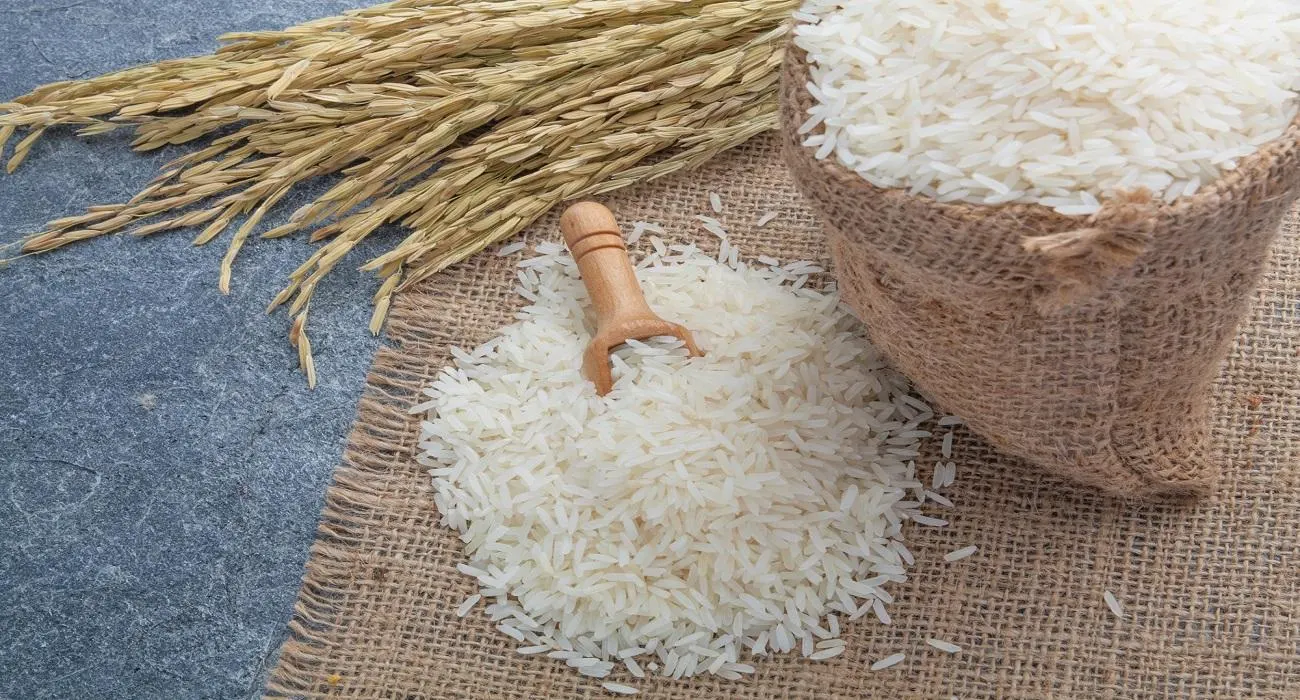
- Feed ten needy people a full, filling meal of the local staple, such as rice or dates, about half a sa' each.
- Clothe ten needy people adequately.
- Free a believing slave.
Only if none of these is possible do they fast three days, ideally in a row.
Expiation for an Unfulfilled Vow
It mirrors the oath expiation and applies when someone cannot keep a vow they made:
- Feed ten needy people satisfying meals, roughly one and a half kilograms of staple food.
- Or clothe ten needy people adequately.
- Or free a believing slave.
- If none of these is possible, fast three consecutive days.
For more on this topic, see Vows and their rulings.
Expiation Related to the Ramadan Fast
What is owed depends on why the fast was broken:
- Marital intercourse during a Ramadan day: the expiation follows a strict order: free a believing slave; if that is not possible, fast two consecutive months; if that is not possible either, feed sixty needy people, each a mudd of the local staple.
- Breaking the fast with no valid excuse (other than intercourse): sincere repentance, regret and seeking Allah's forgiveness, plus making up the day.
- Breaking the fast for a valid reason such as pregnancy, breastfeeding, chronic illness or travel: make up the missed days and feed one needy person for each day, about half a sa' of the local staple.
Expiation for Accidental Killing
The Qur'an sets it out clearly: “And whoever kills a believer by mistake must free a believing slave and pay blood money to the family of the deceased, unless they remit it.” And: “But if he cannot find [a slave], then fasting two consecutive months as repentance from Allah.” So the obligation is:
- Free a believing slave, or, if that is not possible, fast two consecutive months.
- Pay the blood money (diyah) to the victim's family, unless they forgive it or give it up as charity.
Expiation for Zihar
Zihar is when a husband compares his wife to a woman he can never marry, such as his mother or sister, for example by saying, “You are to me like my mother's back.” It is forbidden in Islam. The expiation, in order, is: free a slave; if not possible, fast two consecutive months; if still unable, feed sixty needy people, each half a sa' of staple food.
Expiation for Shaving During Hajj or Umrah
This relates to shaving or shortening the hair during Hajj or Umrah in a way that is not permitted, without a valid excuse. The person may choose: slaughter a sheep within the Haram, feed six needy people half a sa' each, or fast three days.
Quick Reference Table
| Type | First option(s) | If unable |
|---|---|---|
| Oath or vow | Feed or clothe 10 needy people, or free a slave | Fast 3 days |
| Intercourse during a Ramadan day | Free a slave | Fast 2 consecutive months, then feed 60 people |
| Zihar | Free a slave | Fast 2 consecutive months, then feed 60 people |
| Accidental killing | Free a slave, plus blood money | Fast 2 consecutive months |
| Shaving in Hajj/Umrah | Sacrifice a sheep or feed 6 people | Fast 3 days |
Kaffarah in the Qur'an and Sunnah
In the revealed texts, expiation repairs sin and makes up for shortfalls in worship. It almost always revolves around three acts: freeing a slave, feeding people and fasting. In some cases the person may choose among options; in others they must follow a fixed sequence. In the Sunnah, Abu Musa Al-Ash'ari (may Allah be pleased with him) reported: “By Allah, if Allah wills, I do not swear an oath and then see something better than it except that I expiate for my oath and do what is better.” (Narrated by Muslim)
How to Fulfill Kaffarah, and Who Receives It
Fulfilling kaffarah means carrying it out in the exact form Islamic law sets for that type, whether feeding, fasting or freeing a slave. Whatever is given as food or money goes to the poor, the needy and the destitute. It is not given to the wealthy or to non-Muslims.
Step by Step: Paying a Feeding Kaffarah
- Identify which expiation you owe and how many people must be fed.
- Check whether it is a choice among options or a fixed order, and only move to a substitute if you truly cannot do the first.
- Make your intention, then give it to eligible recipients directly or through a trustworthy organization acting on your behalf.
- The cash value of feeding one person is set every year; Elvefa announces it at the start of Ramadan on its Fidya & Kaffarah campaign page.
Kaffarah vs. Fidyah
| Kaffarah (expiation) | Fidyah | |
|---|---|---|
| Cause | Committing a forbidden act or sin | A valid excuse such as illness, old age, pregnancy, breastfeeding or travel |
| Purpose | Erasing and covering the sin | A substitute for the act of worship that was left |
| Amount | For fasting, e.g. two consecutive months or feeding 60 people | Feeding one needy person per missed day |
Frequently Asked Questions
What kinds of expiation are there in Islam?
Expiation for oaths, vows, breaking the Ramadan fast, accidental killing, zihar and shaving during the pilgrimage.
How many expiations does the Qur'an mention?
Five: oaths, zihar, shaving, accidental killing, and the penalty for hunting while in ihram.
How much is kaffarah in dollars?
The original measure is food from the local staple. Its cash equivalent differs from country to country and is set each year; Elvefa publishes the current amount at the start of Ramadan.
What is kaffarah in simple terms?
Acts that Islam requires in order to erase a sin or make up for a shortfall in worship, a way to cover one's mistakes and grow closer to Allah.
Turn Your Kaffarah Into Meals for Families in Need
Expiation is a door of mercy that lets a believer repair what was broken. Learn which type applies to you and fulfill it the way Allah prescribed. If yours involves feeding the needy, Elvefa can deliver it as meals for displaced families through the Fidya & Kaffarah campaign. Elvefa is a registered 501(c)(3), and your gift is tax-deductible.