

Helping Displaced Families in Ramadan: 6 Ways to Give
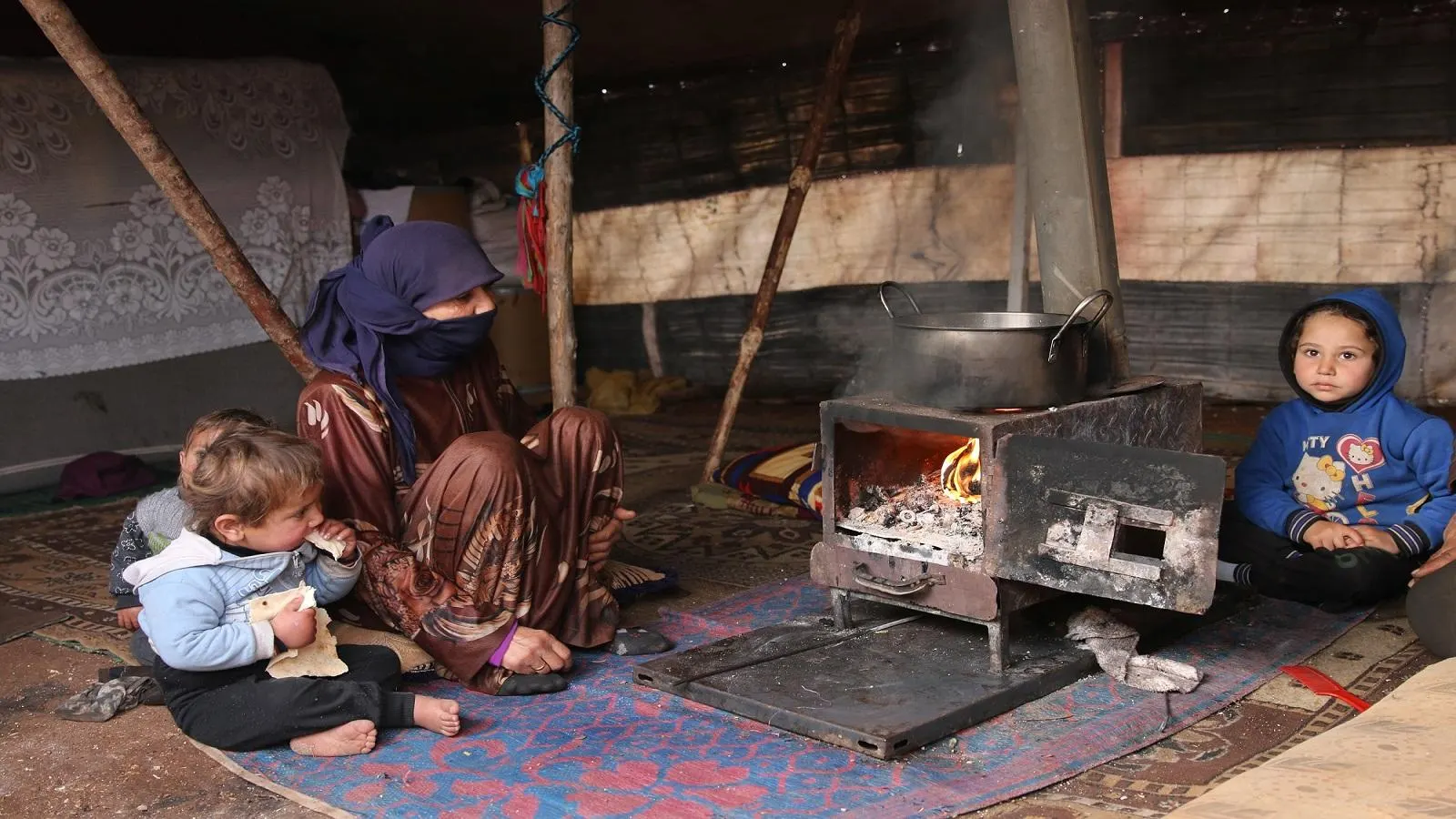

Aid for displaced people and families in need during Ramadan takes many forms. The most direct are iftar meals, food baskets and channeling zakat and sadaqah to them, followed by shelter, clothing, healthcare, emotional support and job opportunities. While most Muslims welcome the holy month with joy, many displaced families spend it without enough for suhoor or iftar, and they need both practical and emotional support.
This article covers the main ways to help displaced people in Ramadan, what you personally can do, how humanitarian organizations ease the burden, and a simple checklist for planning your giving before the month begins.
Table of Contents
Why Ramadan Is Harder for Displaced Families
Refugees and displaced people face hard conditions all year, but Ramadan makes them harder. Basic supplies for fasting and breaking the fast are missing, everyday resources are scarce, and many families lost their homes and income to war. That's why helping them during this month is a humanitarian duty: the need is greater, and so is the reward.
1. Food and Iftar Meals
Feeding fasting people is the most visible form of Ramadan relief. There are three ways to take part:
- Through a trusted organization such as Elvefa, which delivers meals to families in the camps.
- By funding mobile kitchens that cook meals inside the poor communities they serve.
- On your own initiative, by preparing complete, healthy meals and handing them out in remote areas or at mosques.
Elvefa's Iftar campaign reaches displaced families throughout the month.
What an iftar meal does
- Earns a great reward from Allah.
- Eases suffering and improves conditions for the poor during the month.
- Provides a healthy, nourishing meal after a long fast.
- Gives families a sense of security and relieves stress.
- Builds bonds of care between donors and displaced families, and strengthens the community as a whole.
Food basket or shopping voucher?
Besides hot meals, aid groups hand out food baskets or vouchers. Which is better depends on the family:
| Option | Advantage |
|---|---|
| Food basket | Covers essential staples; usually designed to feed a family of five for a month, depending on consumption and household size |
| Voucher | Gives the family more flexibility to buy what they actually need |
You can provide a basket for a displaced family through our food basket project.
2. Zakat and Sadaqah
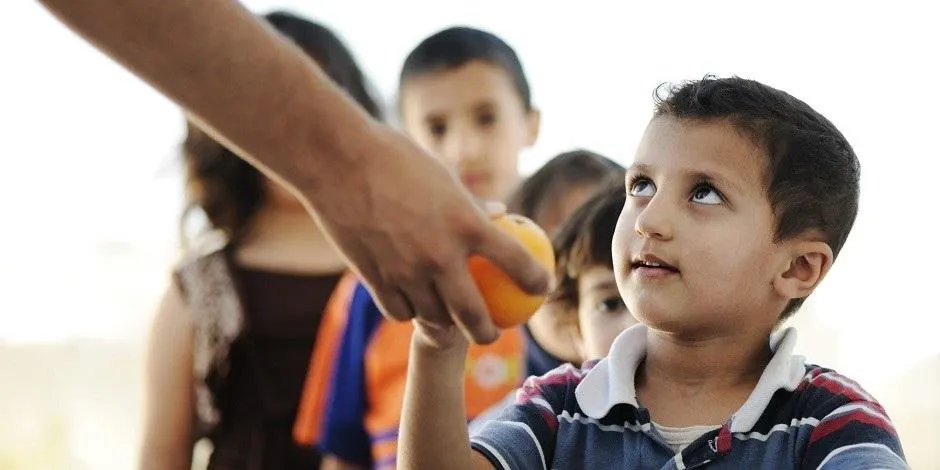
Many Muslims pay their zakat and give extra charity in Ramadan, and displaced families are among the most deserving because they often can't afford basic food and water. To make sure your gift reaches the right people:
- Identify the people in greatest need, starting with the poor and needy.
- Choose a trusted organization with experienced staff on the ground, such as Elvefa.
- Hand over your zakat or sadaqah so it can be distributed fairly to eligible recipients.
You can pay your zakat through our Zakat campaign.
3. Shelter and Clothing
War has driven huge numbers of people from their homes, leaving many with no shelter and no means of support. Humanitarian groups work to improve their living conditions by:
- Providing tents and tarps.
- Building residential villages and organized camps.
- Supplying mobile homes that protect against the cold.
- Running shelter centers and providing heating supplies.
If you'd like to donate goods, these are the items displaced families need most to get through bitter winters in the camps:
- Clean winter clothes for children and adults, and winter shoes.
- Blankets.
- Fuel or heaters.
- Rainproofing materials and emergency lamps.
You can arrange a donation by contacting a trusted charity online or dropping items off at its office. You can also support our shelter tents project.
4. Healthcare
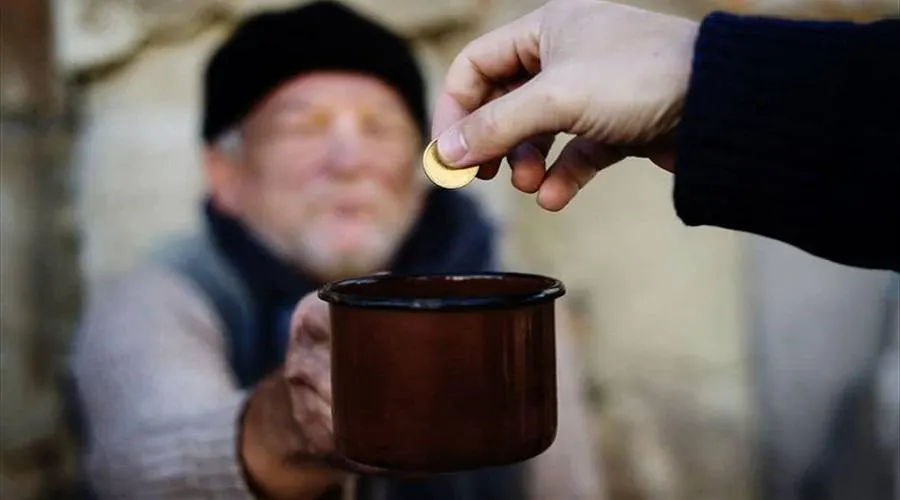
Displaced people and refugees have lived through conditions that take a heavy toll on body and mind, which makes healthcare one of the most important forms of Ramadan aid. It includes:
- Treatment: mobile clinics that handle common and seasonal illnesses and provide medication.
- Mother and child care: reproductive and maternal health services.
- Prevention: vaccines for all ages against infectious diseases, plus hygiene awareness programs.
- Water and sanitation: clean, safe drinking water and sanitation facilities.
What makes camp healthcare work
It depends on medical centers and mobile clinics inside the camps, trained medical teams ready for fast emergency response, coordination between health ministries and refugee-focused organizations, and smart use of limited resources with good planning for crowded camps.
5. Emotional and Psychological Support
Years of war and the harsh life forced on displaced families have left deep emotional wounds. Psychological support lowers stress, restores hope and helps people rebuild their lives. It includes:
- A safe environment, and someone to listen as people express what they feel.
- Recreational activities that break isolation and build relationships.
- Individual or group therapy to work through trauma and prevent depression.
- Awareness campaigns and coping skills training.
- Dedicated programs for women and children that teach new skills.
6. Jobs and Self-Reliance
Helping displaced young people find good work is one of the most effective ways to lift families who lost their homes and jobs to war. That can happen through:
- Training in high-demand fields, with a focus on digital skills and online work platforms.
- Projects run by displaced people themselves with financial backing, and support for individual initiatives.
- Partnerships with the private sector to create jobs, and legal help to obtain work permits.
Displaced job seekers can improve their own chances by signing up for training, building their skills, looking for freelance work online, and honestly matching their qualifications to job requirements.
Checklist: Plan Your Ramadan Giving
Ramadan 1448 AH is expected astronomically to begin around February 8, 2027, confirmed by moon sighting. To get ready:
- Set a giving budget for the month, and keep obligatory zakat separate from voluntary charity.
- Pick one or two focus areas: daily iftar, a monthly food basket, or clothing and shelter.
- Choose a trusted organization that works directly in the field.
- Spread your giving across the month, and give extra in the last ten nights.
Frequently Asked Questions
How do humanitarian organizations help displaced people in Ramadan?
By distributing meals and food baskets, providing shelter and clothing, and offering healthcare.
What gets in the way of aid distribution, and how is it solved?
The main obstacles are hard-to-reach recipients, poor distribution and limited resources. Organized distribution, job creation, full transparency and good use of technology help overcome them.
What do displaced families need most during Ramadan?
Food and water, medicine, heating supplies, financial support, clothing and shoes.
Will a relief food basket last a family a whole month?
Usually, yes. Baskets are typically designed for five people, though it depends on what's inside, how quickly it's used and the size of the family.
Bring Joy to a Displaced Family This Ramadan
An iftar meal, a food basket or a warm blanket can change Ramadan for an entire family. Since 2014, Elvefa Association for Relief and Development has worked with displaced families and orphans. Elvefa is a 501(c)(3), so your gift is tax-deductible. Start today with our Iftar campaign.